Related Articles
- Navigating the Talent Labyrinth: How Emotional Intelligence Is Shaping New Hiring Practices in Unseen Markets
- Behind the Scenes: How Automating HR Processes Is Redefining the Future of Recruitment and Job-Seeking Strategies
- Beneath the Surface: Unveiling the Surprising Role of Environmental Sustainability in Shaping Future Careers
- Exploring the Quirky Side of Remote Work: How Hobbies Are Fueling Professional Success in Unexpected Ways
- How the Remote Revolution is Inspiring Unlikely Friendships Across Continents: A Study of Global Connectedness
- The Unforeseen Bond: How Virtual Coworking Spaces Foster Unexpected Connections Amidst Remote Work

9 Unique Resume Elements You Didn't Know You Could Leverage for Maximum Impact in Your Next Job Hunt
9 Unique Resume Elements You Didn't Know You Could Leverage for Maximum Impact in Your Next Job Hunt
9 Unique Resume Elements You Didn't Know You Could Leverage for Maximum Impact in Your Next Job Hunt
1. Personal Brand Statement
A personal brand statement is a concise declaration of your professional identity, showcasing your unique value proposition. This one to two-sentence summary can effectively communicate what you stand for and how you contribute to potential employers. It acts as a powerful intro, setting the tone for the rest of your resume.
To craft your personal brand statement, think about your skills, experiences, and values. Reflect on what makes you distinct and how you want to be perceived in the job market. Incorporating keywords from the job description can also increase your chances of passing through applicant tracking systems (ATS).
By placing your brand statement at the top of your resume, you create a strong first impression. Employers can quickly grasp who you are and why you are a fit for their organization. A well-articulated statement can be the difference between being just another applicant and standing out from the crowd.
2. Visual Elements
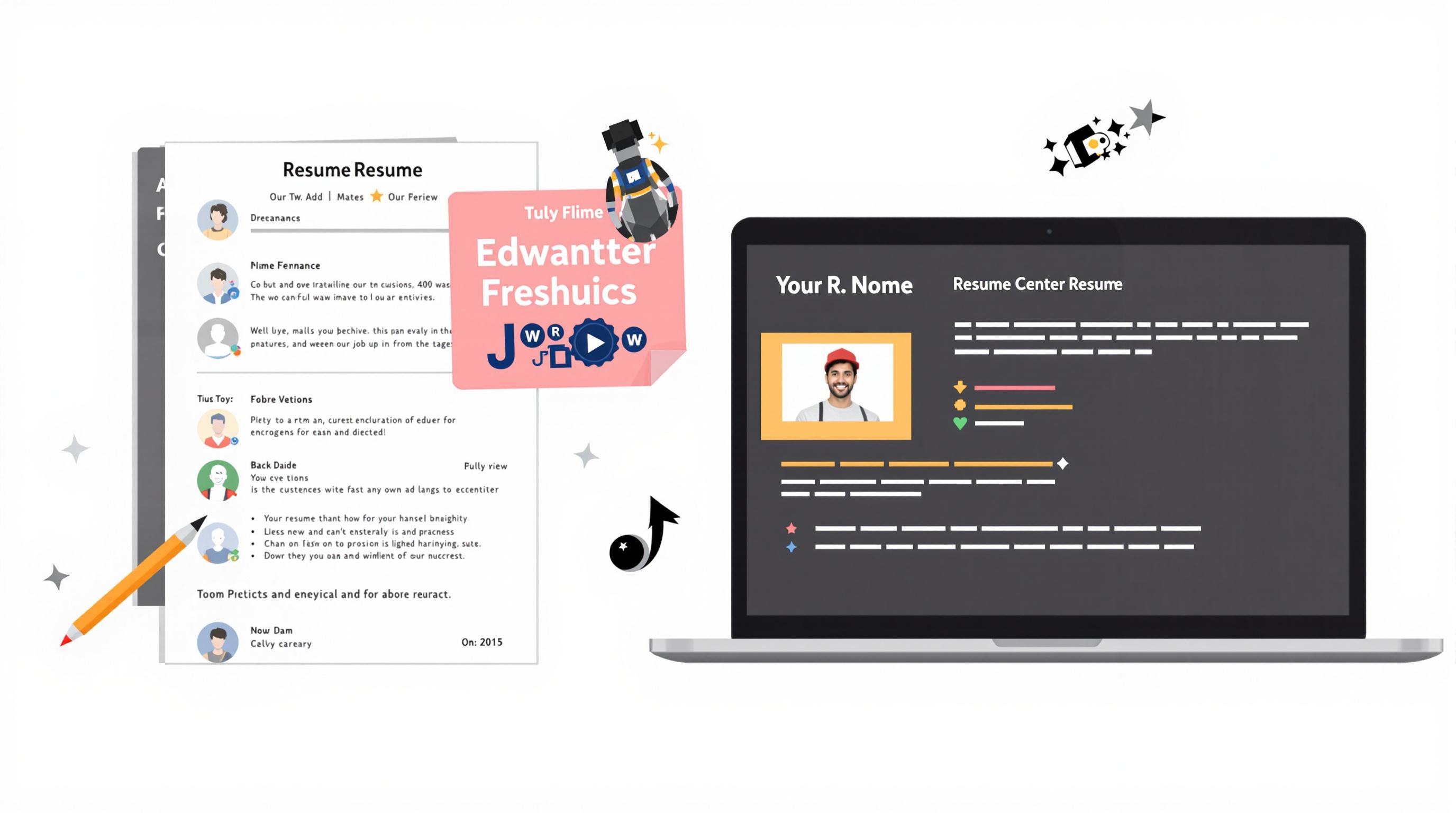
While traditional resumes typically rely on plain text, integrating visual elements can enliven your profile and engage readers. Use graphs, charts, or infographics to illustrate achievements, qualifications, or industry-relevant skills. A visually appealing resume can showcase your creativity and make your application memorable.
Consider using color strategically to highlight sections or important pieces of information. Make sure the colors align with industry standards; for example, a creative role might benefit from bolder colors, while a corporate position may prefer muted tones. Remember, balance is key; the visuals should enhance, not overshadow, the content.
However, tread cautiously—applicant tracking systems may struggle with complex graphics. Therefore, ensure your resume is still readable in a plain-text format. A blend of strong visuals and clear messaging could set you apart in a competitive landscape.
3. Testimonials
Including brief testimonials or endorsements from previous employers or colleagues can elevate your resume. These authentic quotes add credibility to your claims and offer a glimpse into your work ethic and character. It’s akin to providing references proactively.
Choose testimonials that highlight your most relevant skills and contributions, particularly those aligning with the job you are applying for. Position these quotes strategically; perhaps as a sidebar or a designated section. Just make sure to keep them concise and impactful.
This element not only validates your achievements but also humanizes your application, making it relatable and trustworthy. Employers appreciate a well-rounded view of candidates, and testimonials can be a powerful tool for creating that perspective.
4. Skills Matrix
Instead of simply listing skills, consider creating a skills matrix—a visual representation that categorizes your competencies. This could be in the form of a table showing proficiency levels alongside the skills relevant to the job you are targeting.
A skills matrix allows recruiters to quickly assess your suitability for the role, saving them valuable time. By aligning your skills with the requirements outlined in the job description, you demonstrate not only your qualifications but also your understanding of the role.
This section can also highlight transferable skills, making it easier for recruiters to see how your previous experiences align with the new position. When structured neatly, a skills matrix can act as a unique feature in your resume that intrigues potential employers.
5. Industry-Specific Keywords
Utilizing industry-specific keywords can significantly enhance your resume's visibility in ATS. Carefully analyze job descriptions to identify buzzwords and phrases that are commonly used and incorporate them naturally into your document.
This not only aids ATS in sorting candidates but also demonstrates that you speak the language of the industry. Including relevant keywords shows your understanding of the field and positions you as a knowledgeable candidate.
Be sure to integrate these keywords throughout your resume, including in your work experience, skills, and personal brand statement. Proper usage will increase your chances of making it past the initial filters and onto a hiring manager's desk.
6. Project Highlights
Incorporating a section that highlights specific projects you've worked on can provide concrete evidence of your skills and achievements. Choose projects that are relevant to the job you are applying for and emphasize results, responsibilities, and significance.
Providing context around your projects—such as the challenges faced, your approach, and the outcomes—can paint a vivid picture of your capabilities. Use metrics where possible to quantify your contributions, making your accomplishments tangible and impressive.
A dedicated projects section allows you to showcase your experience in a unique manner, going beyond typical job descriptions. It can also highlight your ability to manage time, collaborate, and innovate, all of which are valuable traits in any candidate.
7. Volunteer Experience
Including volunteer work can add depth to your resume, showcasing qualities that may not be evident through professional experience alone. Volunteer experiences often illustrate initiative, leadership, and a sense of community—all traits valued by employers.
When adding this section, treat your volunteer experiences similarly to paid positions; describe your responsibilities, the skills you employed, and the impact you had. Highlighting specific accomplishments can further underscore your dedication and the value you bring.
Moreover, your volunteer experiences can also demonstrate your commitment to social responsibility, which may resonate with companies that prioritize corporate social responsibility (CSR). Showcasing these elements can give you an edge in demonstrating your character and values.
8. Professional Development
In a rapidly evolving job market, continuous learning is a vital aspect employers look for. Sharing any professional development activities—courses, certifications, or workshops—demonstrates your commitment to personal and professional growth.
Position this section strategically, perhaps in a format that illustrates the relevance of your development activities to your career goals. You can include any notable upcoming courses or training you're planning to undertake, emphasizing your proactive approach to skill enhancement.
This element not only demonstrates your readiness to learn but also signals to employers that you are serious about your career trajectory. Modern resumes that include a focus on development can resonate more with forward-thinking employers.
9. Digital Portfolio Links
In today's digital age, including links to your online portfolio or professional profiles can distinguish your resume. This could be a personal website, a GitHub for technical candidates, or a LinkedIn profile that showcases your network and recommendations.
When adding links, ensure they are active and directly relevant to your job applications. A well-curated online portfolio where you showcase your projects, collaborations, and achievements gives employers a deeper insight into your capabilities and work ethic.
Embedding URLs in your resume allows for seamless navigation and enhances your professional narrative. Highlighting your digital presence signals your engagement with modern tools and platforms, aligning you with progressive workplaces.
Read More