Related Articles
- Navigating the Talent Labyrinth: How Emotional Intelligence Is Shaping New Hiring Practices in Unseen Markets
- Behind the Scenes: How Automating HR Processes Is Redefining the Future of Recruitment and Job-Seeking Strategies
- Beneath the Surface: Unveiling the Surprising Role of Environmental Sustainability in Shaping Future Careers
- Exploring the Quirky Side of Remote Work: How Hobbies Are Fueling Professional Success in Unexpected Ways
- How the Remote Revolution is Inspiring Unlikely Friendships Across Continents: A Study of Global Connectedness
- The Unforeseen Bond: How Virtual Coworking Spaces Foster Unexpected Connections Amidst Remote Work

11 Creative Resume Strategies: Uncover Lesser-Known Techniques to Stand Out in Your Next Job Application Process
11 Creative Resume Strategies: Uncover Lesser-Known Techniques to Stand Out in Your Next Job Application Process
11 Creative Resume Strategies: Uncover Lesser-Known Techniques to Stand Out in Your Next Job Application Process
1. Tailor Your Resume for Each Job
While many people know the importance of tailoring their resume, few take it to the next level. Go beyond minor adjustments by completely revamping sections of your resume to align with the job description. Highlight specific skills, experiences, and keywords that resonate with the role.
For example, if you're applying for a marketing position, emphasize your experience with social media campaigns, analytics, and content creation. Use bullet points that reflect the language used in the job description to catch the hiring manager's eye.
Research shows that personalized applications have higher chances of leading to interviews. A study by Jobscan indicates that resumes tailored to job descriptions are 2.5 times more likely to generate interest from recruiters.
2. Use Visual Elements
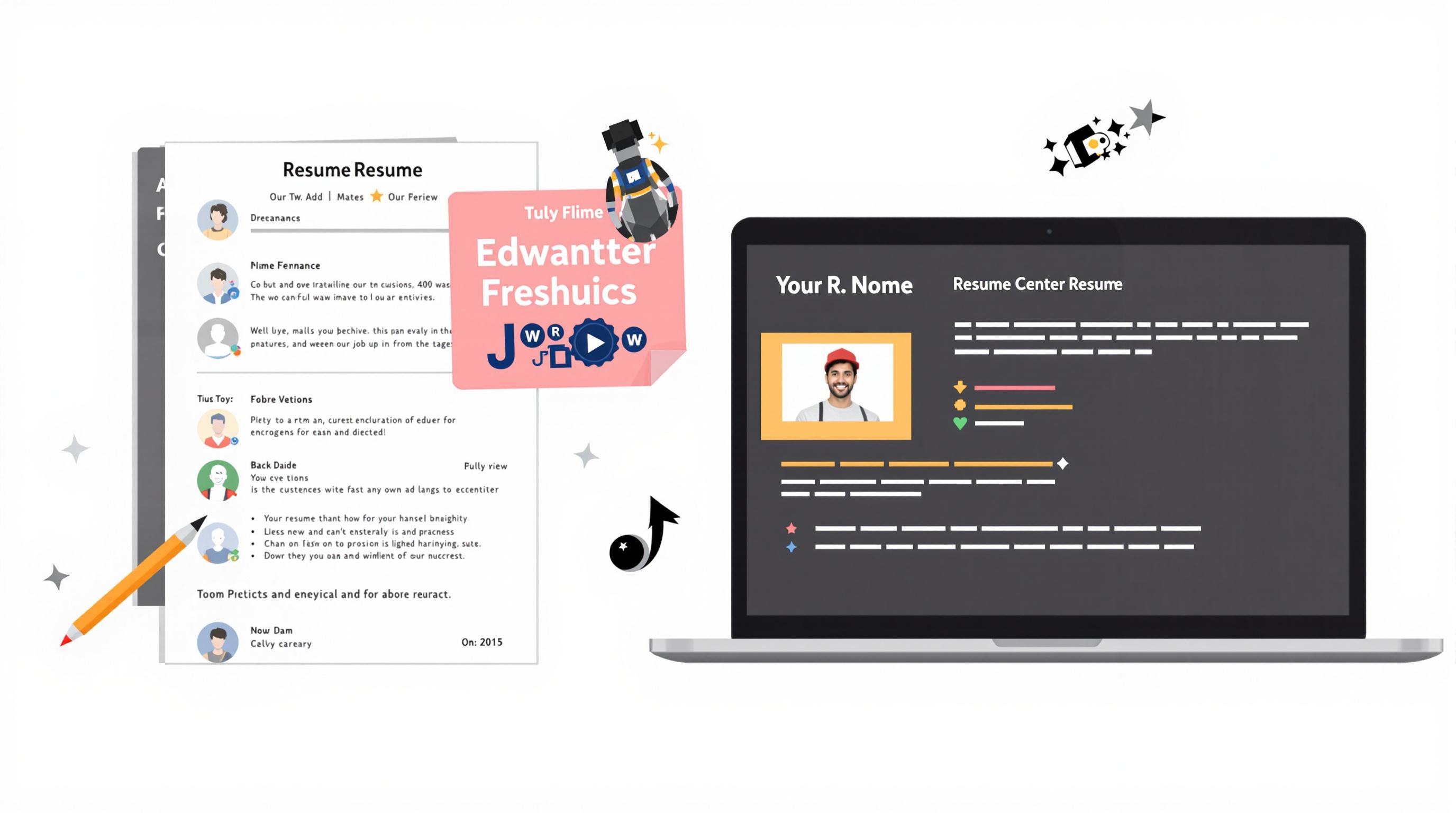
Incorporating visual elements into your resume can make it stand out in a sea of text-heavy documents. Use infographics, charts, and icons to represent data, achievements, and skills. This not only showcases your design ability but also allows hiring managers to grasp key information quickly.
Tools like Canva or Piktochart can help you create visually appealing resumes without requiring advanced design skills. Aim for a balanced layout that combines creativity with professionalism, ensuring it remains readable and uncluttered.
However, be careful with visuals: some Applicant Tracking Systems (ATS) may not parse graphics well. Always save a text alternative for online applications if you're using an embellished version.
3. Create a Digital Portfolio
A digital portfolio is an excellent way to elevate your resume. It allows you to provide potential employers with tangible proof of your skills and achievements. Include links to work samples, case studies, or personal projects relevant to the job you're applying for.
Websites like Wix, WordPress, or Behance are great platforms to showcase your work. Make sure the design reflects your personal brand, and ensure navigation is user-friendly so employers can easily find what they need.
Moreover, including a QR code linking to your digital portfolio in your resume can demonstrate your tech-savviness and make it easy for employers to access your work without the hassle of hyperlinks.
4. Integrate Testimonials and References
Including brief testimonials from colleagues or supervisors can provide a personal touch that enhances your credibility. These testimonials should be specific and showcase your strengths and contributions in previous roles.
You can format them as quotes with the name and position of the person who provided the reference, lending authority to their statements. This method allows potential employers to see your value from someone else's perspective.
Just remember to get permission from your references before including their testimonials. Authenticity is key; avoid using generic statements and focus on highlighting unique attributes.
5. Utilize a Professional Summary
A professional summary at the beginning of your resume can replace a traditional objective statement, showcasing your strengths and career aspirations. This summary should be a brief, impactful paragraph that summarizes your qualifications and what you can bring to the role.
Instead of focusing solely on what you want, tailor the summary to the specific job and organization. Highlight your unique selling points and mention any relevant statistics or achievements to grab attention.
A well-crafted professional summary can compel hiring managers to read further, increasing the chances of your resume making it to the next round of the hiring process.
6. Leverage Social Media
In today's digital age, your online presence can significantly impact your job search. Utilize platforms like LinkedIn not only to showcase your resume but also to engage with industry professionals, join relevant groups, and share valuable content related to your field.
Include a link to your LinkedIn profile on your resume, ensuring it aligns with your resume information. Having a cohesive online presence across platforms can enhance your credibility and help you stand out.
Be careful to keep your profiles polished and professional. Potential employers often conduct online searches, so ensure they find what reflects your best self.
7. Include a Skills Section
A dedicated skills section can help emphasize your qualifications quickly and effectively. This section should consist of both hard and soft skills, with an emphasis on the skills listed in the job description.
Create a balance between technical abilities relevant to the job, such as software proficiency, and interpersonal skills like communication or teamwork. This can provide a well-rounded view of your capabilities.
Utilizing bullet points can make this section more digestible and visually appealing. A concise skills section can help your resume stand out and be easily scanned by recruiters.
8. Showcase Relevant Certifications or Courses
If you've completed certifications or courses that are relevant to the job, these should be included in your resume. This shows a commitment to continuous learning and proves your qualifications.
Instead of listing them only under education, consider a separate section that details these qualifications. Use bullet points to briefly explain the skills or knowledge gained through these certifications.
Employers often value ongoing education, and this small section can distinguish you from other candidates. According to the World Economic Forum, skills training will be essential for the future workforce, making these certifications highly valuable.
9. Highlight Achievements Over Responsibilities
Instead of listing duties from previous jobs, prioritize achievements that demonstrate how you added value. Use metrics, percentages, or specific examples to illustrate your contributions.
For instance, instead of saying you "managed a sales team," quantify your achievement by stating, "led a sales team that increased quarterly revenue by 30%." This approach helps employers see the impact you've had in past roles.
Focusing on achievements rather than responsibilities tells a story and showcases your capabilities in more compelling terms. Employers are often more interested in what you can do rather than just what you’ve done.
10. Simplify Your Contact Information
Many job seekers make the mistake of overloading their resume with unnecessary details in the contact section. Stick to basic information: your name, phone number, email, and LinkedIn profile link.
Avoid including personal information like a full address, age, or marital status—this reduces clutter and maintains privacy. A simple, clear contact section allows hiring managers to reach you without any confusion.
Additionally, make sure your email address is professional. A good rule of thumb is to use a combination of your first and last name to keep it straightforward and easy to remember.
11. Consider Formats Beyond Traditional
While many stick to standard chronological or functional resumes, it's worth exploring alternative formats like a hybrid resume. This combines both elements, allowing you to showcase your skills alongside your work history.
Creative formats, such as video resumes or interactive digital versions, can also draw attention, especially in creative industries. Just remember to ensure that any format you choose is appropriate for the role and industry you're applying for.
Before submitting a creative format, always check if the employer has specific submission guidelines to avoid appearing unprofessional. A unique resume can capture attention but must still adhere to industry norms.
Read More