Related Articles
- Navigating the Talent Labyrinth: How Emotional Intelligence Is Shaping New Hiring Practices in Unseen Markets
- Behind the Scenes: How Automating HR Processes Is Redefining the Future of Recruitment and Job-Seeking Strategies
- Beneath the Surface: Unveiling the Surprising Role of Environmental Sustainability in Shaping Future Careers
- Exploring the Quirky Side of Remote Work: How Hobbies Are Fueling Professional Success in Unexpected Ways
- How the Remote Revolution is Inspiring Unlikely Friendships Across Continents: A Study of Global Connectedness
- The Unforeseen Bond: How Virtual Coworking Spaces Foster Unexpected Connections Amidst Remote Work

10 Surprising Resume Elements You Never Knew Could Boost Your Hiring Potential: A Deep Dive into Effective Presentation
10 Surprising Resume Elements You Never Knew Could Boost Your Hiring Potential: A Deep Dive into Effective Presentation
10 Surprising Resume Elements You Never Knew Could Boost Your Hiring Potential
1. Customized Visuals
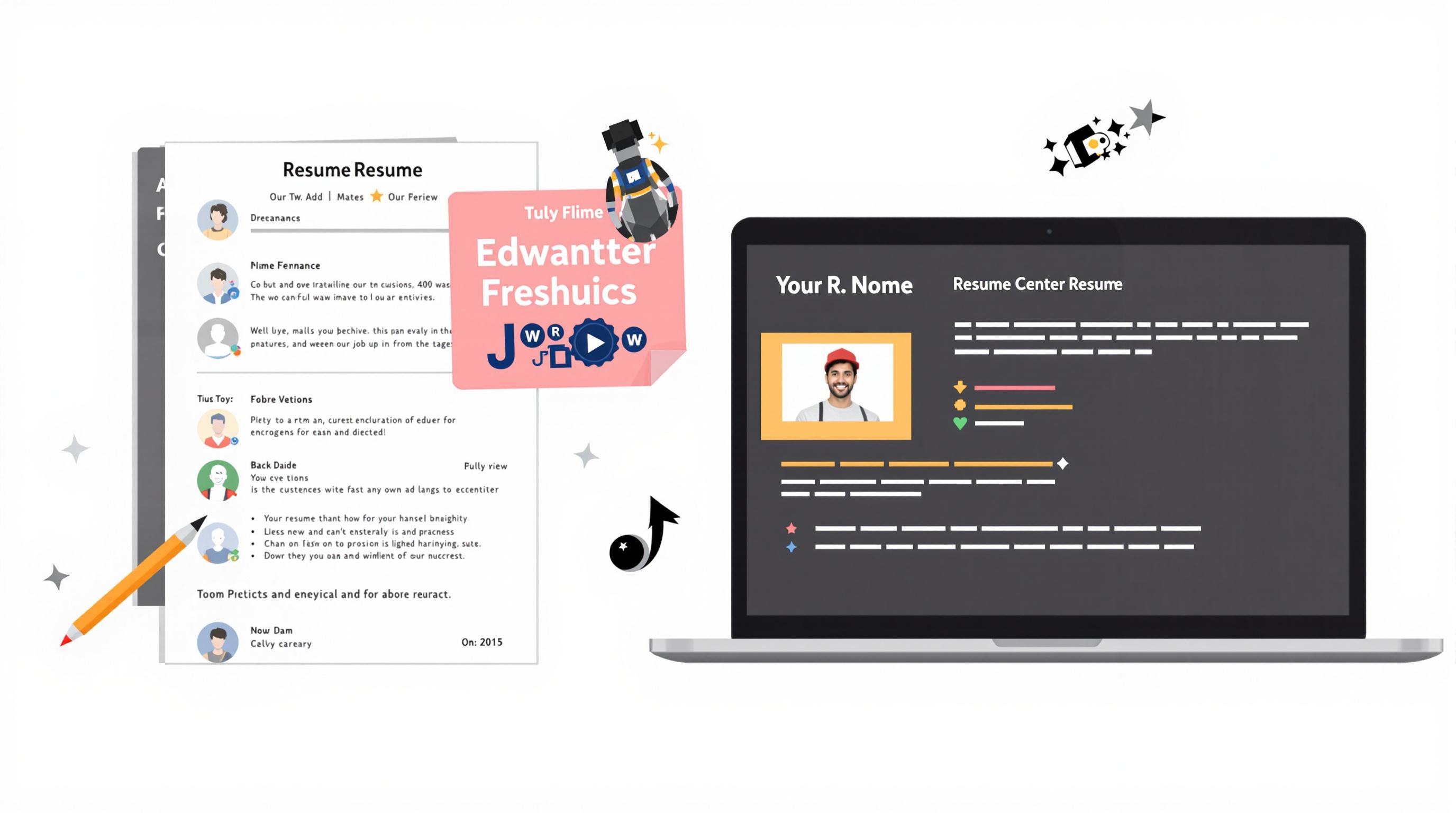
While traditional resumes follow a standard format, incorporating customized visuals can set you apart. Infographics, icons, or unique fonts tailored to your industry can showcase your creativity and attention to detail. A recent study found that resumes with visual elements are 40% more likely to be remembered by employers (Kapp, 2020).
When designing your resume, think about the field you’re applying to. For creative industries, a colorful, visually appealing resume may resonate more than in conservative sectors. The key is to maintain professionalism while allowing your personality to shine through.
However, ensure that the visuals enhance rather than clutter your message. Balance is essential. Use visuals strategically to highlight key accomplishments or skills without overwhelming the reader.
2. Core Competencies Section
Including a 'Core Competencies' section can greatly enhance your resume's impact. This brief overview of your main skills helps the recruiter quickly gauge your qualifications. It’s especially helpful in passing automated Applicant Tracking Systems (ATS) that many companies use to filter resumes.
Focus on including industry-specific keywords that align with the job description. Phrasing such as "project management" or "strategic planning" can resonate well. Always align your competencies with the skills the company is seeking, tailoring them to fit the specific job.
Presenting your competencies upfront not only saves time for hiring managers but also provides a clear snapshot of your expertise. This allows them to immediately correlate your skills with their requirements, potentially leading to a quicker interview call.
3. Professional Development
Showcasing continuous learning through a 'Professional Development' section can demonstrate initiative and commitment to your career growth. This can include certifications, workshops, or courses that are relevant to your field. According to LinkedIn, 94% of employees would stay at a company longer if it invested in their career development (LinkedIn, 2021).
Highlighting professional development not only enhances your qualifications but also illustrates your adaptability in a fast-paced job market. Hiring managers increasingly value employees who take charge of their own growth and seek new knowledge.
Consider listing these developments chronologically or thematically, emphasizing those that best match the job you’re applying for. This approach shows not just what you've learned but also how it applies to the prospective job.
4. Quantifiable Achievements
Incorporating quantifiable achievements rather than just listing duties is a game-changer in resume presentation. Statistics or concrete results provide a clearer picture of your contributions. For instance, stating you "increased sales by 30% within six months" not only depicts your capability but also makes your achievements tangible.
Employers appreciate measurable success because it reflects your ability to deliver results. Use metrics relevant to your industry to bolster your achievements, whether in sales figures, percentages, or other applicable data.
Be selective with these statistics to ensure they are impactful. Prioritize the most relevant accomplishments that align with the job opportunity, allowing them to shine on your resume and leaving a lasting impression.
5. Soft Skills Integration
While technical skills are essential, soft skills are equally critical in today’s work environment. Highlighting soft skills such as communication, teamwork, and adaptability can differentiate you from other candidates. A survey conducted by the World Economic Forum emphasizes that emotional intelligence will be among the top skills needed in the workforce by 2025 (WEF, 2020).
Instead of merely listing these skills, integrate them into your work experience descriptions. For example, say "Led a team project that improved department collaboration, demonstrating strong interpersonal skills." This not only defines the skill but also shows how you applied it in a practical context.
Balancing technical and soft skills on your resume can exhibit a holistic representation of who you are as a candidate, effectively painting a picture of not just what you've accomplished, but how you interact within a team and organizational structure.
6. Tailored Summary Statement
A well-crafted summary statement can be the highlight of your resume. It offers a chance to tie together your experiences, qualifications, and what you hope to achieve. Tailoring this section for each specific job opportunity enhances your chances of being noticed.
Keep your summary concise, ideally within 2-3 sentences, focusing on your unique skills and what you bring to the table. An effective summary not only encapsulates your career but also answers the employer's question: "Why should we hire you?"
Incorporate keywords related to the job description to ensure your resume passes through ATS filters and grab the attention of human reviewers. A well-thought-out summary sets the tone for the rest of your resume and can be a pivotal factor in securing an interview.
7. Volunteer Experience
Incorporating volunteer experiences can add a compelling layer to your resume, especially if you are early in your career or changing fields. It reflects not only your skills but also your character and values, showcasing commitment to community service and teamwork.
Detail how these experiences have provided you with skills applicable to your desired career path. For instance, "Managed a social media campaign for a non-profit," demonstrates marketing skills in a real-world context that can be valuable to potential employers.
Moreover, volunteer experiences can help fill gaps in your work history while also illustrating your willingness to contribute to society, making you a well-rounded candidate. In an increasingly empathetic job market, this aspect can greatly influence hiring decisions.
8. Hobbies and Interests
Including a hobbies and interests section can be an unexpected advantage in your resume. This can humanize you and offer potential employers insight into your character outside of work. Uniquely relevant hobbies can spark conversation in interviews and potentially align with company culture.
Select hobbies that showcase qualities relevant to the job. For instance, if applying for a team-oriented position, including team sports may highlight your collaboration skills. This section can demonstrate soft skills and personality traits, such as leadership or dedication.
Always remember to keep this section concise and relevant. While it may be a source of intrigue, the main focus should remain on your professional qualifications. A well-crafted list can effectively augment your overall appeal as a candidate.
9. Digital Presence
In today’s digital age, employers often research candidates online. Linking your professional social media profiles (such as LinkedIn) or personal website can reinforce your personal brand. This is particularly important for industries where personal branding plays a vital role, such as marketing and media.
Make sure your online profiles reflect your resume and are professional in tone. Highlight your achievements, endorsements, and recommendations from past colleagues or employers. This can lend credibility to your resume and pique an employer’s interest.
However, be wise about what to include; irrelevant or unprofessional content can backfire. Keeping your digital presence polished and consistent with your resume can strengthen your overall candidacy and demonstrate your tech-savvy nature.
10. Clarity and Consistency
Lastly, clarity and consistency in presentation is vital for an effective resume. Regardless of how impressive your qualifications are, a cluttered or inconsistent format can detract from the overall message. Using a clean layout with ample white space helps the reader navigate your resume with ease.
Consistency applies to font choices, sizes, bullet points, and spacing. A cohesive format reflects attention to detail—a quality highly sought after by employers. Ensure that your contact information stands out, perhaps by bolding or enlarging it, as this is critical for follow-up communication.
Before sending out your resume, proofread carefully for any typographical or grammatical errors. Minor mistakes can lead employers to question your professionalism or attention to detail, potentially jeopardizing your chances of landing an interview.
Kapp, K. M. (2020). *The Learning and Development Book*. London: Kogan Page.
LinkedIn. (2021). *2021 Workplace Learning Report*. Retrieved from www.linkedin.com.
World Economic Forum (WEF). (2020). *The Future of Jobs Report 2020*. Retrieved from www.weforum.org.
Read More