
Related Articles
- Navigating the Talent Labyrinth: How Emotional Intelligence Is Shaping New Hiring Practices in Unseen Markets
- Behind the Scenes: How Automating HR Processes Is Redefining the Future of Recruitment and Job-Seeking Strategies
- Beneath the Surface: Unveiling the Surprising Role of Environmental Sustainability in Shaping Future Careers
- Exploring the Quirky Side of Remote Work: How Hobbies Are Fueling Professional Success in Unexpected Ways
- How the Remote Revolution is Inspiring Unlikely Friendships Across Continents: A Study of Global Connectedness
- The Unforeseen Bond: How Virtual Coworking Spaces Foster Unexpected Connections Amidst Remote Work
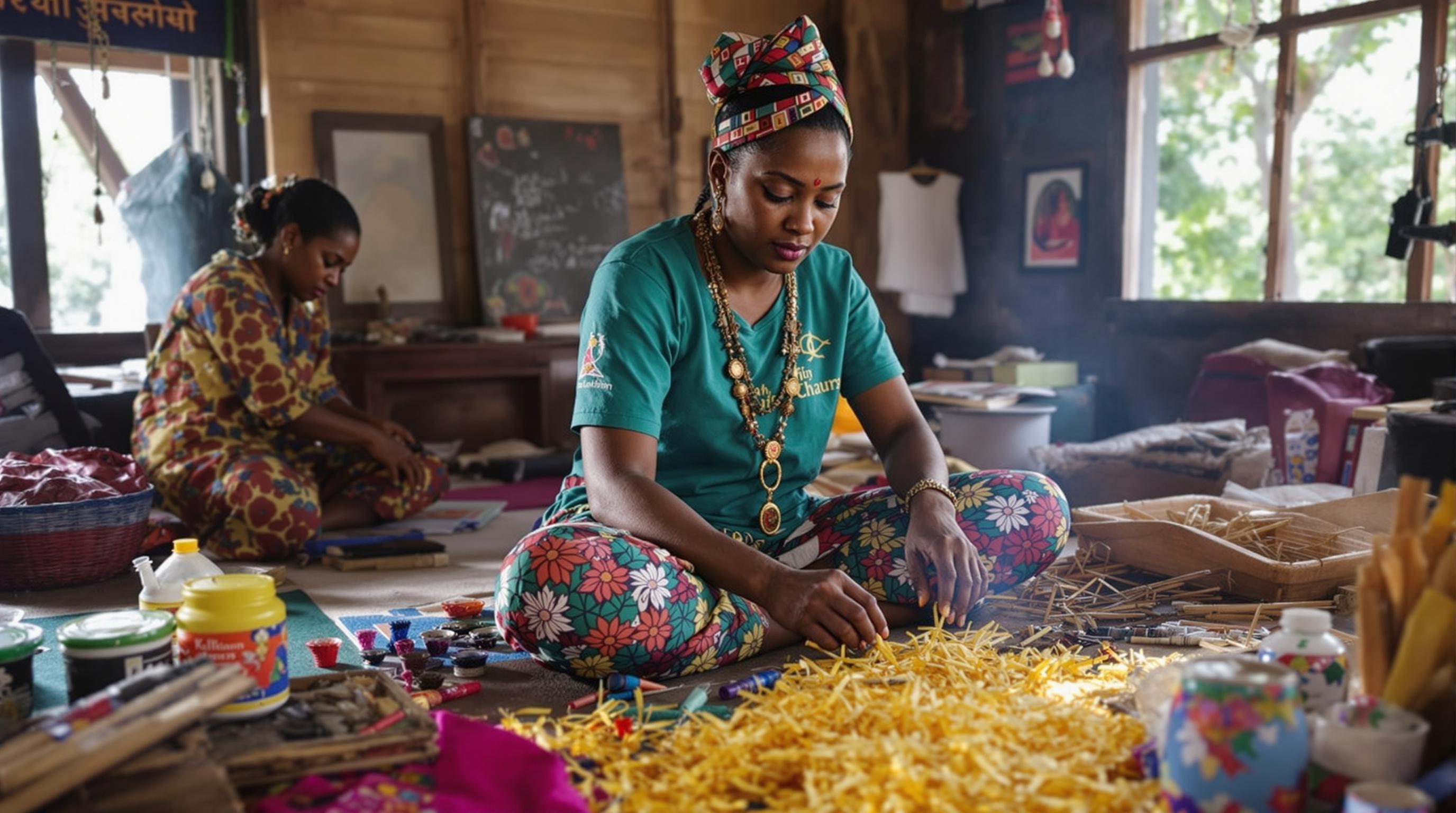
12 Surprising Ways Remote Work is Reviving Lost Art Traditions and Crafting New Cultural Narratives Worldwide
12 Surprising Ways Remote Work is Reviving Lost Art Traditions and Crafting New Cultural Narratives Worldwide
12 Surprising Ways Remote Work is Reviving Lost Art Traditions and Crafting New Cultural Narratives Worldwide
1. The Digital Craft Revival
As people shifted to remote work, the need for creative outlets became paramount in maintaining mental health and well-being. Crafts such as knitting, pottery, and origami experienced a resurgence as individuals sought therapeutic activities to fill their time. Online platforms facilitate skill-sharing, allowing artisans to pass down traditional techniques in a modern context.
In particular, social media has played a pivotal role in this renaissance. Communities are forming that foster appreciation for handmade crafts, leading to a wider acceptance of artisanal products over mass-produced items. Artists are using platforms like Instagram and TikTok to showcase their craftsmanship, garnering followings that support their work.
The revival of these crafts reflects a broader desire for authenticity in both culture and commerce. Customers are increasingly drawn to products with a story, while craftspeople are finding opportunities to not only express themselves but also revive ancient skills that may have previously been lost due to industrialization.
2. Culinary Arts and Tradition
With many people spending more time cooking at home, there has been a notable uptick in interest in traditional culinary arts. Cooking classes, once confined to local settings, are now accessible online, enabling cultural exchange and culinary exploration across borders. Remote work has reinstated the kitchen as a stage for creativity and storytelling.
Traditional recipes, passed through generations, have found new life as individuals experiment with them in their own kitchens, sharing their experiences online. This acts as both a revival of culinary traditions and a creation of new narratives, blending heritage with personal stories that resonate with a global audience.
Not only does this foster appreciation for diverse cuisines, but it also encourages sustainable practices by emphasizing local ingredients and ethical cooking methods. The culinary arts, historically a reflection of culture and identity, are being redefined as a collective, shared experience rather than a singular tradition.
3. Online Art Exhibitions
The transition to remote work prompted many galleries and artists to pivot to online exhibitions, allowing global audiences to access art in ways never imagined before. This digital shift has democratized art access, enabling marginalized voices and lesser-known artists to participate in the global art conversation.
Virtual reality technologies enhance the experience, offering immersive visits to galleries and allows viewers to engage with art on a deeper level. This shift not only connects viewers with diverse artworks but also fosters cultural dialogue that transcends geographical boundaries.
The sense of community around these online exhibitions supports collaborative initiatives, where artists share their heritage while advocating for cultural preservation. By showcasing various art forms, these platforms curate new narratives that highlight forgotten stories and traditions, weaving a richer tapestry of global culture.
4. The Renaissance of Traditional Music
Remote work has spurred a revival in traditional music, as musicians discover innovative ways to collaborate online. Platforms like Zoom and various social media channels have enabled musicians from different parts of the world to create and share multicultural musical experiences.
This collaboration fosters appreciation for global musical traditions, as artists often incorporate elements from their heritage into contemporary projects. The fusion of old with new not only revitalizes classic sounds but also creates fresh narratives that resonate with younger audiences.
Moreover, musicians are hosting virtual performances, allowing communities to reconnect with their cultural roots. As people embrace the rich diversity of musical traditions from across the globe, they contribute to an ever-evolving dialogue about identity and heritage through sound.
5. Storytelling Through Virtual Workshops
Remote work has led to the proliferation of virtual workshops where storytelling becomes a vital form of cultural expression. Participants engage in narrative sharing, allowing the transmission of folklore and ancestral stories that address contemporary issues while staying rooted in tradition.
Through these workshops, individuals are empowered to explore their cultural backgrounds, leading to the emergence of hybrid narratives that reflect both personal and collective experiences. Whether through podcasts, webinars, or interactive platforms, storytelling fosters community bonds and encourages learning across generational lines.
This revitalized focus on storytelling as an art form emphasizes the importance of narratives in bridging cultural gaps. As more people access these workshops, the craft of storytelling remains a vibrant means of articulating identity in a rapidly changing world.
6. Fashion and Textile Art
The rise of remote work has ignited interest in sustainable and ethically made fashion, prompting a resurgence of textile arts. Artisans specializing in weaving, dyeing, and sewing are leveraging online platforms to share their skills and promote their creations, merging tradition with contemporary fashion trends.
This revival is not just about aesthetics; it stems from a desire for meaningful connections between fabric, culture, and identity. By embracing slow fashion principles, individuals are turning to traditional methods, giving new life to ancient practices that honor craftsmanship.
In addition, the digital marketplace encourages unique collaborations between fashion designers and artisans, cultivating vibrant narratives that celebrate cultural diversity. By wearing clothing infused with personal stories, consumers participate in an ongoing dialogue about heritage, sustainability, and the art of making.
7. Folklore and Mythology Reimagined
Remote work has provided platforms for writers and artists to reimagine folklore and mythology in contemporary contexts. As individuals explore their cultural narratives through creative expression, they often find themselves drawing wisdom from ancestral teachings that inform modern challenges.
This resurgence can be seen in literature, visual arts, and performance, where ancient stories are retold to resonate with today’s societal issues. By breathing new life into traditional tales, artists can forge connections between the past and the present, creating dialogue that enriches cultural identity.
Additionally, as people across the world share their interpretations of these myths, they contribute to a collective understanding of human experiences. This cross-cultural dialogue propels ongoing storytelling traditions, ensuring that they remain relevant and influential in shaping future narratives.
8. Language and Dialect Preservation
The rise of remote work has made language preservation initiatives more accessible. Online language classes and cultural exchange programs provide opportunities for people to learn, practice, and share lesser-known dialects and languages, many of which are at risk of extinction.
These interactions foster a sense of community and pride in linguistic heritage, encouraging individuals to keep their language alive through modern means of communication. Virtual meetings can serve as platforms for conversation, allowing speakers to convey traditions tied to language—be it through songs, poems, or oral histories.
This emphasis on language not only supports cultural identity but also forms bonds across different backgrounds. Through language, individuals cultivate a deeper appreciation for diverse worldviews, enriching global conversations and underscoring the significance of cultural narratives.
9. Revitalization of Indigenous Arts
Creatives in remote areas are utilizing technology to showcase indigenous art forms forgotten in the noise of urban life. Remote work has enabled many indigenous artists to share their work online, regaining visibility and fostering interest in native practices and traditions.
Through digital platforms, these artists not only preserve their unique cultural narratives but also educate wider audiences about their heritage. The stories behind indigenous art often illustrate the close relationship between the people and their environment, sparking discussions about sustainability and responsible stewardship of cultural resources.
This visibility facilitates broader conversations about the importance of cultural preservation, as audiences engage with indigenous narratives that challenge dominant paradigms. As a result, indigenous art is not only celebrated but also positioned as a fundamental component of the global cultural landscape.
10. Global Community Building
Remote work has engendered a sense of global community that transcends physical boundaries. Online platforms allow individuals to connect over shared passions, culture, and arts, unabashedly contributing to a wealth of collective creativity and narrative building.
This cross-cultural collaboration nurtures new perspectives, offering intricate narratives woven through diverse experiences. As people from different backgrounds engage in discussions and art creation, they gain insights into one another’s traditions, ultimately enriching their own cultural practices.
In fostering these newly formed communities, remote work has the potential to impact society significantly. By championing a global cultural narrative, individuals can cultivate empathy and understanding, ensuring the artistic traditions of various cultures thrive and adapt to meet the realities of today’s world.
Read More