Related Articles
- Navigating the Talent Labyrinth: How Emotional Intelligence Is Shaping New Hiring Practices in Unseen Markets
- Behind the Scenes: How Automating HR Processes Is Redefining the Future of Recruitment and Job-Seeking Strategies
- Beneath the Surface: Unveiling the Surprising Role of Environmental Sustainability in Shaping Future Careers
- Exploring the Quirky Side of Remote Work: How Hobbies Are Fueling Professional Success in Unexpected Ways
- How the Remote Revolution is Inspiring Unlikely Friendships Across Continents: A Study of Global Connectedness
- The Unforeseen Bond: How Virtual Coworking Spaces Foster Unexpected Connections Amidst Remote Work
Unconventional Resume Strategies: Harnessing the Power of Art and Personal Branding
Unconventional Resume Strategies: Harnessing the Power of Art and Personal Branding
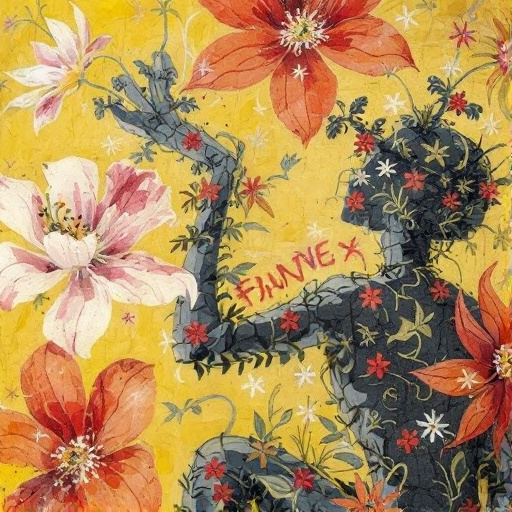
In an age where innovation reigns supreme, job seekers are turning to unconventional resume strategies that blend art and personal branding to stand out in a saturated market. This article explores the power of creativity in resume design, the psychology of branding, and successful case studies that illustrate these principles in action.
The Art of Presentation
Let’s face it: the traditional resume can often look like a sea of Times New Roman and bullet points—not exactly eye-catching. But here’s the kicker: first impressions count. According to a study by TheLadders, recruiters spend an average of just six seconds reviewing a resume before deciding whether to move forward. Imagine the impact of a creatively designed resume that takes a whole 10 seconds!
From Boring to Breathtaking
Consider turning your resume into a visual narrative. For instance, graphic designer Katya Anders created an infographic resume that showcased her skills, experience, and achievements through vibrant graphics instead of text-heavy sections. Her approach helped her land a job at a leading tech firm, proving that sometimes form can be just as important as function.
Personal Branding: More than Just a Buzzword
Personal branding involves curating a public persona that reflects your career aspirations, skills, and values. In today’s freelance and gig economy, personal branding is critical for individuals seeking to differentiate themselves. According to a survey by JobSeeker, 85% of recruiters say a sense of personal branding is an essential factor in hiring decisions.
Be the Brand, Live the Brand
Imagine a comedian applying for a role in marketing. Instead of a standard resume, she might submit a comedic video pitch, highlighting her communication skills and understanding of brand storytelling in a humorous way. This unique application not only showcases her talent but also reinforces her brand—in this case, humor in marketing.
The Power of Storytelling
What better way to present your journey than through storytelling? Crafting your resume as a narrative, where each role is a chapter, can create a powerful connection with potential employers. Delphi Peters, a public relations officer, recounted her career progression from intern to manager through the lens of narrative—highlighting challenges she faced and how she overcame them.
Paint Your Career Path
Incorporate elements that represent your industry visually. For instance, if you’re in the arts sector, why not submit a portfolio that combines your resume with layered artwork? This embedded narrative can entice employers looking for creativity and visual flair, drawing them into your world.
Statistics That Matter
The statistics overwhelmingly indicate that the right resume makes a difference. LinkedIn found that candidates with visually appealing resumes are 40% more likely to be hired than those using the traditional format. This isn’t just speculation; the creative elements within resumes can lead to tangible results.
The Revival of the Old-School CV
Yet, while embracing creativity is vital, don’t completely forsake the traditional aspects of a resume. A well-balanced resume often combines creative design with clear, logical structure. For instance, include hyperlinks to your online portfolio while maintaining a clean layout that’s easy to navigate. Just because you use color and graphics doesn’t mean you should abandon professionalism!
A Miscellaneous Approach: Mix and Match Formats
Utilize video, audio, or even hosting a pop-up exhibition as a means of showcasing your work. One case study involves a young marketing graduate, Max, who set up a small booth at a career fair. Instead of handing out traditional resumes, he showcased his projects through an interactive display. Attendees were naturally drawn to his booth, and within two weeks, he received multiple offers from intrigued employers.
Remember: The Risks and Gains
There’s always a risk in deviating from the expected. If you’re applying to a conservative industry, a wildly creative resume could backfire. Hence, it’s wise to do a bit of research on the company you’re targeting. Industries like design, tech, and media may welcome unconventional formats, while traditional finance firms may expect a more conservative approach.
Conclusion: The Future is Creative
At the end of the day, your resume is your personal marketing tool. The strategy, creativity, and branding you invest will pay off in the long run. So, whether you’re an 18-year-old college graduate just starting out or a seasoned professional looking to pivot careers at 70, embracing unconventional resume strategies can make all the difference in your job hunt.
Takeaway Tips
1. Embrace creativity but don't lose sight of professionalism.
2. Experiment with storytelling in your career narrative.
3. Research target industries to tailor your resume format.
4. Utilize diverse media formats to present your skills.
5. Be authentic; ensure your personal brand resonates with your true self.
Now go forth, be bold, and remember: in the world of resumes, just like in art, it's your point of view that makes all the difference.
Read More