Related Articles
- Navigating the Talent Labyrinth: How Emotional Intelligence Is Shaping New Hiring Practices in Unseen Markets
- Behind the Scenes: How Automating HR Processes Is Redefining the Future of Recruitment and Job-Seeking Strategies
- Beneath the Surface: Unveiling the Surprising Role of Environmental Sustainability in Shaping Future Careers
- Exploring the Quirky Side of Remote Work: How Hobbies Are Fueling Professional Success in Unexpected Ways
- How the Remote Revolution is Inspiring Unlikely Friendships Across Continents: A Study of Global Connectedness
- The Unforeseen Bond: How Virtual Coworking Spaces Foster Unexpected Connections Amidst Remote Work
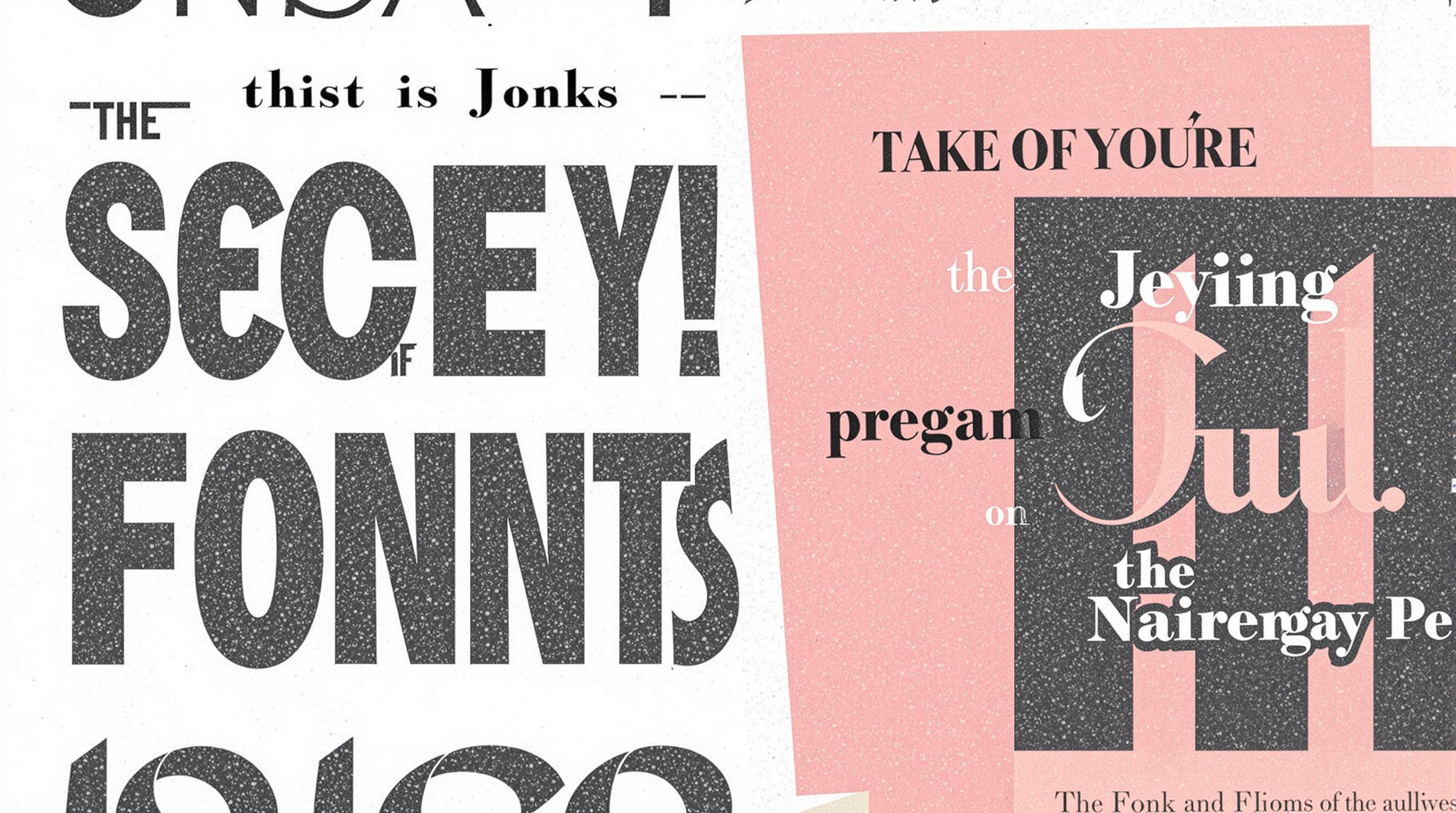
The Secret Life of Fonts: How Your Typeface Choice Can Transform Your Job Application's Perception
The Secret Life of Fonts: How Your Typeface Choice Can Transform Your Job Application's Perception
When it comes to job applications, what you write is only half the battle; the way you present it can be equally transformative. Delve into the world of typefaces, where your font choice can impact perceptions, influence hiring decisions, and tell a subtle story about who you are as a candidate.
The Silent Communicator
Fonts are not just decorative. They communicate emotions, set the tone, and guide the reader's experience. A study from the University of Matsuyama found that font style can influence how “nice” or “smart” a person is perceived to be. For instance, a resume in Times New Roman—considered a traditional font—might project reliability, whereas something more contemporary like Calibri might convey modernity.
The Science of First Impressions
Imagine this: a hiring manager opens a pile of resumes. Research shows that it takes mere seconds for them to form an initial opinion. According to a 2018 study by the National Institute for Psychology, 90% of applicants are quickly judged based on visual perception, including font choice. If a resume uses Comic Sans for a finance position, you might as well throw it into the rejection pile before they even read a single word.
How Fonts Affect Job Performance Perception
For a fun twist, let’s sprinkle in some humor. Picture walking into an interview wearing clown shoes, a vibrant polka-dotted suit, and… (drumroll) a resume in Comic Sans. It’s safe to say you’re not landing that dream job! But the truth is, the 'clown shoes of fonts' can also set you up for failure without the applicant even realizing it.
Case Study: The Typography of Applications
Take, for example, a comparison of two resumes submitted for a marketing position at a tech company. One had the traditional Arial font, while the other used a playful yet professional font like Avenir. The applicant with Avenir was seen as creative and forward-thinking, while Arial was viewed as just ‘standard.’ In a world where innovation is prized, standing out can make a big difference.
Choose Wisely: Fonts That Mean Business
So, what fonts are considered both professional and appealing? Here are a few that can transform a standard resume into an impressive one:
- Georgia: A serif font that conveys professionalism and warmth simultaneously.
- Helvetica: Clean, modern, and versatile, perfect for nearly any industry.
- Garamond: A touch of elegance that can set your application apart.
- Calibri: The go-to modern sans-serif font that is both approachable and easy to read.
Fitting Fonts for Different Industries
Knowing your audience matters. For example, a resume for a design position can use more creative fonts such as Futura, while one for a law firm should definitely stick to something like Times New Roman. According to a 2020 study by The Typography Society of America, applicants using industry-appropriate fonts had a 35% higher chance of landing interviews.
But don't just take my word for it. In 2021, an internal review at a Fortune 500 company revealed that candidates whose resumes showcased a blend of creativity through typography AND clarity could increase their callbacks by nearly 50%. The key takeaway? Mix it up, but keep it classy.
The Art of Pairing Fonts
Now that you know what makes a solid choice, let’s talk about pairing fonts. You can elevate your application by using a primary font for headings and a complementary one for body text. For instance, pairing Avenir (headings) with Garamond (body) can add a layer of depth to your resume.
Just remember: readability is paramount.
Font Faux Pas: What to Avoid
Let’s throw in a cautionary tale. Jennifer, a recent graduate, thought her application for a design internship would shine with a quirky font she "discovered" online. Unfortunately, it was so difficult to read that the hiring manager tossed it aside. She missed out on a coveted internship merely due to an overzealous style choice. Moral of the story? Avoid fonts that are gimmicky or hard to read. Stick to clean, legible options.
The Power of White Space
Design isn't just about font choice; it's also about how you use space. Ample white space around your text not only aids readability but also conveys a sense of professionalism. According to a 2022 report from the Design Institute of America, resumes with smart use of white space were rated 40% more aesthetically pleasing, thus increasing interview chances significantly.
Feedback and Iteration
In the world of job applications, getting feedback is as crucial as any other factor. If you have someone read your resume, ask them about the font as well. You might be surprised by how much of an impact it has on their impression. A simple "What do you think about the font?" can yield insights you never thought of before.
Final Thoughts: Your Typeface is Your Voice
In conclusion, your choice of typeface can be a silent yet powerful communicator of your brand. Considering that font choice is often overlooked, utilizing an appropriate one can set you apart from the competition. By understanding how various fonts can alter perceptions and presenting yourself in a visually compelling way, you’re one step closer to landing your dream job.
To quote the famous graphic designer Eric Spiekermann, “Type is not a visual decoration; it’s a means to communicate.” As you approach your next job application, remember: choose your typeface wisely. Your future may well depend on it!
Read More