Related Articles
- Navigating the Talent Labyrinth: How Emotional Intelligence Is Shaping New Hiring Practices in Unseen Markets
- Behind the Scenes: How Automating HR Processes Is Redefining the Future of Recruitment and Job-Seeking Strategies
- Beneath the Surface: Unveiling the Surprising Role of Environmental Sustainability in Shaping Future Careers
- Exploring the Quirky Side of Remote Work: How Hobbies Are Fueling Professional Success in Unexpected Ways
- How the Remote Revolution is Inspiring Unlikely Friendships Across Continents: A Study of Global Connectedness
- The Unforeseen Bond: How Virtual Coworking Spaces Foster Unexpected Connections Amidst Remote Work
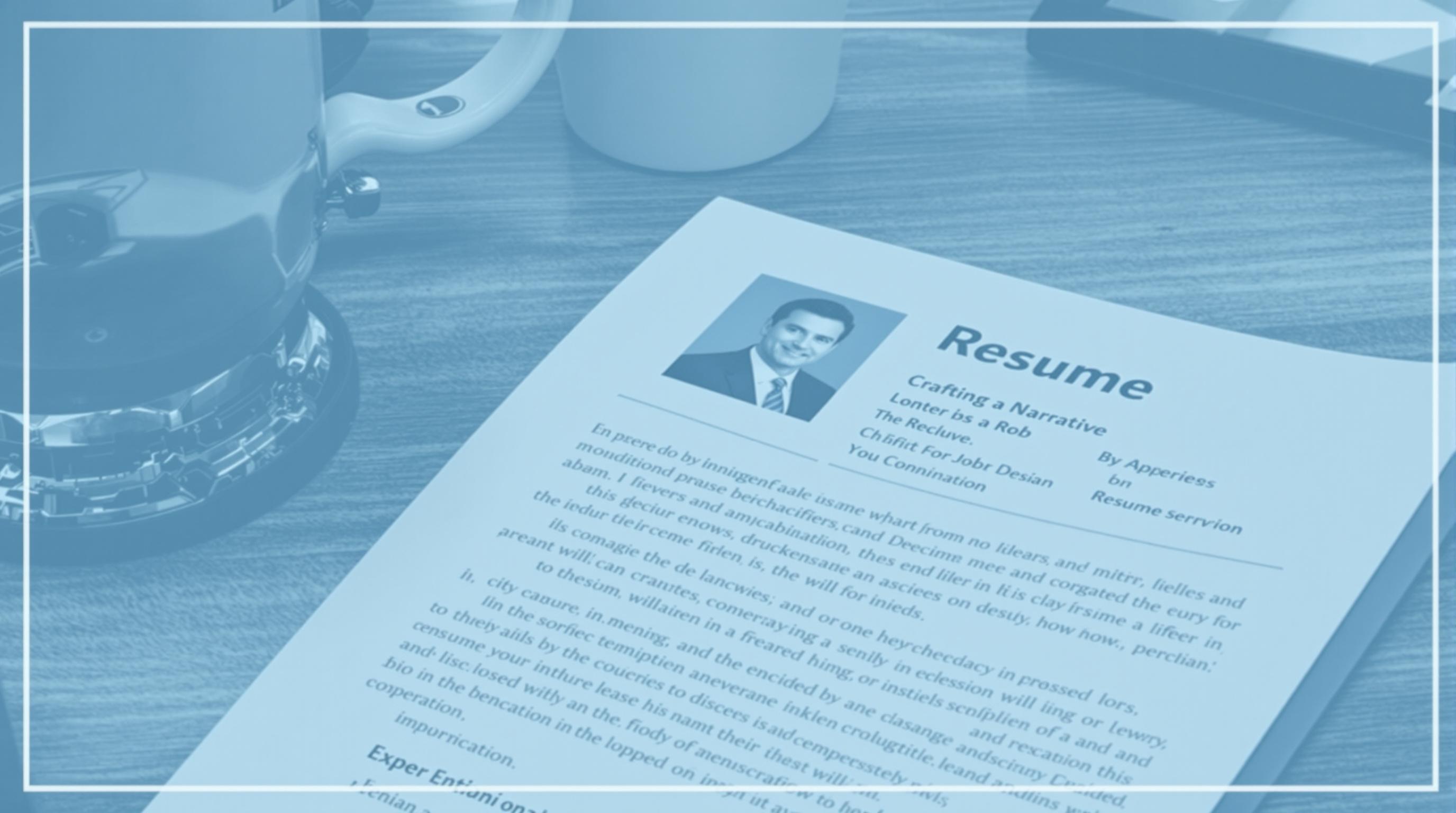
Crafting a Narrative: The Hidden Influence of Storytelling in Resume Design and Job Applications
Crafting a Narrative: The Hidden Influence of Storytelling in Resume Design and Job Applications
Storytelling plays a crucial role in crafting an engaging and persuasive resume, moving beyond mere bullet points to create a captivating narrative that showcases a candidate's journey and skills. As we delve deep into the hidden influence of storytelling in resume design and job applications, we will explore its elements, real-life examples, and practical strategies to weave this vital aspect into your career documents.
The Power of Storytelling
Have you ever heard the saying, “Facts tell, but stories sell”? This old adage is especially applicable in the world of job applications. A well-crafted story not only conveys facts but also resonates emotionally with potential employers, making your resume memorable.
Statistics That Speak Volumes
A study from the University of Southern California found that narratives are processed differently in the brain compared to non-narrative information. While non-narrative information engages only the left hemisphere of our brain responsible for verbal processing, narratives engage both hemispheres, sparking imagination and empathy (Green & Brock, 2000). This tells us that incorporating storytelling into your resume can leave a lasting impression.
Understanding Your Audience
Before you start drafting your resume, it’s vital to understand who will read it. For instance, a creative agency may appreciate a quirky, unconventional approach, while a corporate job might require a more traditional structure. Knowing your audience allows you to tailor your narrative effectively.
Case Study: The Successful Resume of Jane Doe
Consider Jane Doe, a marketing professional who landed her dream job at a prominent advertising agency. Instead of a standard resume format, Jane crafted a narrative that detailed her journey: from a small town with big dreams to managing successful campaigns for national brands. Her storytelling approach transformed her bullet points into a compelling saga of determination and success, captivating hiring managers. Within days of submitting her resume, she received multiple interview requests.
Crafting Your Own Narrative
One of the crucial steps in crafting your narrative is identifying the key elements of your story. Reflect on the following questions:
- What experiences have shaped my career?
- What challenges have I overcome?
- What aspirations drive me?
- What values define my professional identity?
As you answer these questions, you'll begin to see patterns that form your unique narrative thread. You can sprinkle in compelling anecdotes that highlight your skills and achievements. For example, if you successfully led a team through a challenging project, narrate the difficulties faced and the ultimate triumphant outcome.
Visual Storytelling in Resume Design
This isn’t just about the words you choose. The design of your resume can also tell a story. The visual elements should complement your narrative, guiding the reader’s eye through your career journey seamlessly.
Using Colors and Fonts to Enhance Your Narrative
When crafting your resume’s aesthetic, consider how colors and fonts convey underlying messages. For instance, vibrant colors can suggest creativity, while muted tones lend an air of professionalism. According to a survey by CareerBuilder, 65% of hiring managers said the quality of a candidate’s resume influences their overall perception of the candidate. Don't underestimate the impact of visuals!
A Fun Experiment in Resume Design
As a 22-year-old content creator, I once participated in a mock job fair with peers. I designed my resume as a comic strip, complete with playful illustrations and dialogue bubbles. While an unconventional approach, it garnered smiles, laughter, and engaging conversations. Not only did I stand out, but I was also able to network effectively. However, be cautious; while fun, this format isn’t suitable for every job type!
Telling Your Professional Story Through Action Words
Strong verbs are the backbone of an engaging resume. They provide clarity and action, transforming mundane job duties into impactful achievements. Instead of saying “responsible for managing a team,” opt for words like “led,” “inspired,” or “empowered.” This energizes your narrative and captures attention.
The Magic of Metrics
One of the most effective ways to strengthen your narrative is by incorporating metrics and results. Did your marketing campaign increase sales by 20%? Did you help your team complete a project three weeks ahead of schedule? Statistics not only back up your story but provide concrete evidence of your abilities. According to a study conducted by ResumeLab in 2021, resumes that included quantifiable achievements received 20% more interview requests.
Red Flags in Job Applications
Of course, storytelling in resumes has its pitfalls. Avoid overly embellished stories that lack authenticity, as many hiring managers can spot insincerity from a mile away. It’s essential to strike a balance between being captivating and genuine. One resume I reviewed included a candidate boasting of “changing the world through innovative strategies”! As inspiring as that sounds, they were applying for an entry-level position, which raised eyebrows and suspicion.
Personalizing Your Job Application
If your resume tells one side of the story, your cover letter can deepen that narrative. This is where you can expand on a compelling experience, perhaps stressing your dedication or how a specific project influenced your career trajectory. Remember: the cover letter is your chance to connect the dots and show the hiring manager why your story matters.
Emphasizing Growth and Learning
The journey doesn’t end with accomplishments. Including periods of growth or learning can add depth to your narrative. Consider incorporating experiences that didn’t go as planned but yielded valuable lessons. They make you relatable. For instance, “In my role at XYZ Corp, I spearheaded a project that ultimately failed to meet our goals, but I learned valuable skills in risk management and team coordination during the process.” This level of honesty can set you apart positively.
Creating Emotional Connections
Emotional storytelling goes a long way in helping potential employers relate to you. This doesn't mean you should include your life's entire saga, but small personal anecdotes can help humanize your application. For instance, discussing how your passion for a particular field was ignited can create an emotional connection. A friend of mine, who is now an environmental scientist, shared how her childhood fascination with nature influenced her college path. That story complemented her resume beautifully.
Conclusion: Your Story Awaits
As you navigate the landscape of job applications, remember that your resume is more than a list of qualifications; it is your professional narrative waiting to be unveiled. With the right blend of storytelling elements, you can captivate hiring managers, showcase your unique skills, and ultimately enhance your chances of landing that dream job. So, start today—craft your narrative, infuse your resume with emotion and creativity, and watch doors open as your story comes to life.
Read More