Related Articles
- Navigating the Talent Labyrinth: How Emotional Intelligence Is Shaping New Hiring Practices in Unseen Markets
- Behind the Scenes: How Automating HR Processes Is Redefining the Future of Recruitment and Job-Seeking Strategies
- Beneath the Surface: Unveiling the Surprising Role of Environmental Sustainability in Shaping Future Careers
- Exploring the Quirky Side of Remote Work: How Hobbies Are Fueling Professional Success in Unexpected Ways
- How the Remote Revolution is Inspiring Unlikely Friendships Across Continents: A Study of Global Connectedness
- The Unforeseen Bond: How Virtual Coworking Spaces Foster Unexpected Connections Amidst Remote Work
When the Office is a Vibe: Creative Spaces Redefining Productivity Beyond Conventional Work Environments
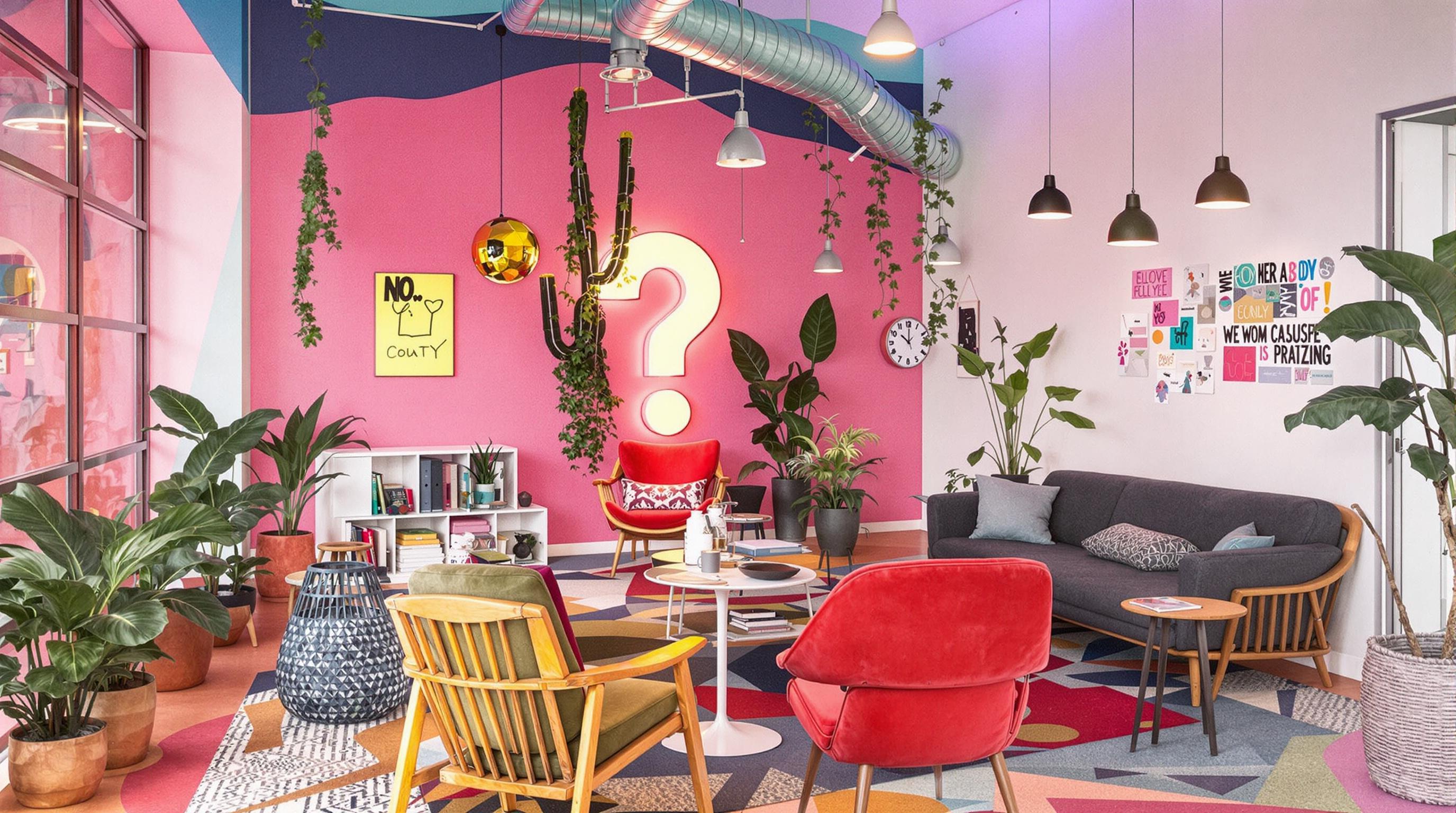
When the Office is a Vibe: Creative Spaces Redefining Productivity Beyond Conventional Work Environments
As traditional workplaces evolve, creative environments are emerging that not only foster collaboration but also redefine productivity. This article explores how unconventional office designs, innovative setups, and unique atmospheres are changing the way we think about work.
The Power of Space: Setting the Scene for Success
In 2020, 72% of employees said they would choose to work remotely over being confined to a cubicle.1 Why? It all boils down to the environment. The modern workspace must cater to the emotional and psychological needs of employees, turning mundane tasks into engaging experiences. Research shows that a well-designed office can increase productivity by up to 20%.2
Breaking Down the Walls: Open Concept with a Twist
Remember the days when a cubicle wall was a symbol of professional success? Those days are long gone! Open-concept offices emerged primarily in tech companies like Google and Facebook, emphasizing collaboration over isolation. Yet, while open offices can spark innovation, they can also lead to distractions. A 2018 study published in the journal *Environmental Psychology* stated that noise levels in open offices can reduce productivity by 20%.3 The solution? Designated quiet zones or soundproof pods within open spaces can help strike the perfect harmony.
Case Study: Google’s Inspiring Spaces
Take a look at Google’s office as a case study. With whimsical designs and themed meeting rooms, these spaces encourage creativity while still providing areas for focused work. For example, the Googleplex in Mountain View, California, showcases a vibrant mix of lounges, cafes, and brainstorming nooks—an inviting space that has become synonymous with the brand.4 Studies reveal that such environments not only draw in top talent but also enhance employee satisfaction. Talk about a win-win!
Chilling with a Purpose: Break Areas that Revitalize
If you think break rooms are just for coffee and donuts, think again. Modern companies are redefining break areas to incorporate fun and relaxation, which has proven to be an essential ingredient for productivity. In fact, 60% of workers indicate that taking breaks positively affects their work performance.5
Places infused with leisure options, such as board games, gym stations, or nap pods, can recharge employees and decrease burnout. “An office isn’t just where we work; it should also be a fun and invigorating environment,” says Sarah Blake, a workplace psychologist. Does this mean we need a mini amusement park? Well, not quite, but a touch of creativity can go a long way!
Turning Idea Generation into Art
Creative spaces aren't solely about aesthetics; they also enhance brainstorming sessions and foster innovation. Think about it: when you're relaxed and inspired, there's less mental clutter. A 2021 study by the Harvard Business Review indicated that teams who conducted brainstorming in casual, visually engaging spaces generated 25% more unique ideas compared to those in standard conference rooms.6
Companies like Shopify have understood this very well, incorporating vibrant colors, abstract art, and interactive walls that encourage creativity. In an ethnographic study conducted by the University of California, it was observed that employees felt more enthusiastic and engaged when they worked in creatively designed spaces.7
The Rise of Remote Work: Blurring the Lines
By now, most companies have faced the reality of hybrid work—part office, part remote. The challenge lies in merging the best of both worlds. A 2023 report showed that employees working in hybrid environments reported a 14% increase in job satisfaction due to increased flexibility.8 Some employees convert coffee shops or cozy corners of their homes into productivity hubs, proving that space isn’t defined by walls alone; it’s how we use them.
Example: The Coffee Shop Manifesto
Millennials have turned the traditional “office” into a more social setting. A popular trend is the rising number of professionals choosing coffee shops as their makeshift offices. A simple cup of caffeine, combined with a cozy ambiance, transforms the mundane task of work into a creative experience. Of course, the background noise allows for a stimulating environment rather than a sterile, silent one! Psychologists claim this phenomenon is part of our need for socialization, sometimes referred to as “the coffee shop effect.” Just remember to respect the space—and tip generously!
Millennials vs. Baby Boomers: Sharing Values in Office Culture
Interestingly, the transformation of workspace culture asks the question: how does generational difference impact these creative environments? While Baby Boomers value structure and formal settings, Millennials and Gen Z-ers gravitate toward collaborative spaces that foster social connectivity. Research by Deloitte in 2022 found that companies encouraging flexibility and creativity were 89% more likely to retain younger talent.9 This generational shift signals a broader transformation in workplace culture.
The Art of Nature: Biophilic Design
Merely painting a room green isn’t enough; companies are now more than ever incorporating biophilic designs into offices. Defined as the integration of natural elements into our work environments, biophilia emphasizes the human connection to nature. According to a study by the University of Technology Sydney, employees who worked in greenery-infused offices reported a 15% increase in well-being and a 6% rise in productivity.10
Implementing plants, natural light, and earthy textures are just a few ways to utilize biophilic design. For example, Microsoft’s headquarters in Redmond, Washington, has rolling hills, ponds, and thousands of trees wrapped around its complexes, which not only provides breathtaking views but enhances employee productivity. Nature, it seems, is the ultimate productivity booster.
Conclusions: Finding the Balance
As we navigate this brave new world where the office is no longer just a physical location, it beckons us to rethink how we structure productivity. The blend of creativity, collaboration, and well-being will continue to define the workplaces of the future. Whether through vibrant office designs or a cozy corner at home, the possibilities are endless. The crucial reminder? Productivity thrives in spaces where we feel good—so let’s create those spaces, wherever they may be!
Ultimately, understanding that “the office is a vibe” is essential for success and satisfaction in today’s fast-paced work environment. As young professionals, we have the power to shape the workspaces of tomorrow, ensuring that they not only serve the purpose of work but evoke inspiration and creativity in every task we take on!
Sources:1. “Remote Work Trends: Insights for Employers,” Gallup, 2020.
2. “The Relationship Between Office Design and Productivity,” Gensler, 2021.
3. “The Impact of Noise on Productivity,” *Environmental Psychology*, 2018.
4. “A Peek Inside Google's Office: Vibrancy and Efficiency,” Forbes, 2022.
5. “Unlock the Power of Breaks at Work,” American Psychological Association, 2023.
6. “Creativity in the Workplace: A Radical Chart for Growth,” Harvard Business Review, 2021.
7. “Ethnographic Study of Creativity in Modern Workspaces,” University of California, 2021.
8. “The Benefits of Hybrid Work,” Harvard Business Review, 2023.
9. “Workplace Trends: An Analysis by Deloitte,” Deloitte, 2022.
10. “The Role of Biophilic Design in the Workplace,” University of Technology Sydney, 2023.
Read More