Related Articles
- Navigating the Talent Labyrinth: How Emotional Intelligence Is Shaping New Hiring Practices in Unseen Markets
- Behind the Scenes: How Automating HR Processes Is Redefining the Future of Recruitment and Job-Seeking Strategies
- Beneath the Surface: Unveiling the Surprising Role of Environmental Sustainability in Shaping Future Careers
- Exploring the Quirky Side of Remote Work: How Hobbies Are Fueling Professional Success in Unexpected Ways
- How the Remote Revolution is Inspiring Unlikely Friendships Across Continents: A Study of Global Connectedness
- The Unforeseen Bond: How Virtual Coworking Spaces Foster Unexpected Connections Amidst Remote Work
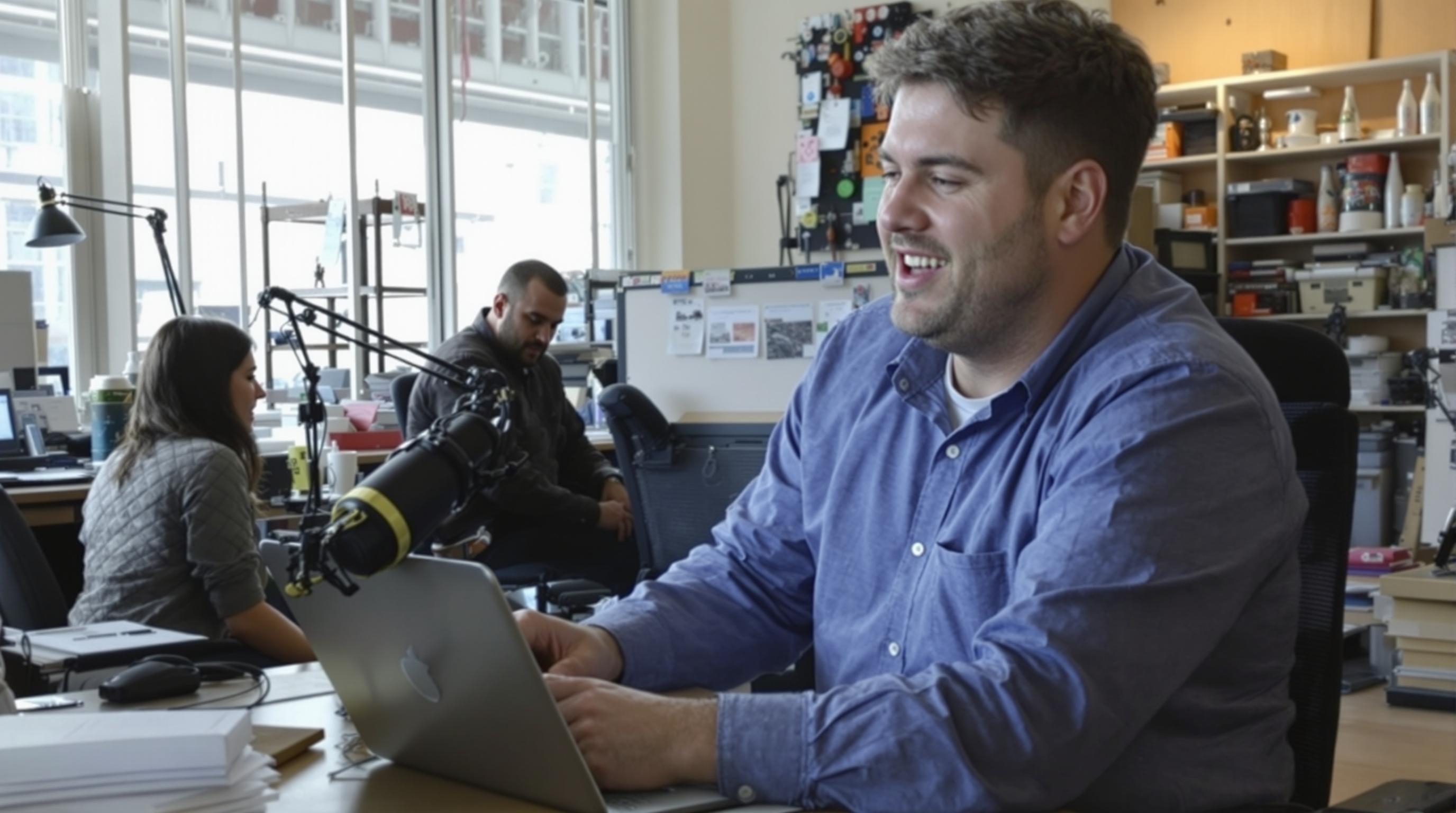
Harnessing the Power of Hobby Communities: Unexpected Networks for Career Growth Beyond the Traditional Job Market
Harnessing the Power of Hobby Communities: Unexpected Networks for Career Growth Beyond the Traditional Job Market
Hobby communities offer unexpected opportunities for career advancement, networking, and personal growth beyond conventional avenues. By engaging with like-minded individuals through shared passions, you can unlock a wealth of resources and connections that can significantly enhance your professional life.
What Are Hobby Communities?
Hobby communities are groups of individuals who come together based on shared interests and passions, whether it be knitting, gaming, photography, or even mushroom foraging. These communities can exist both online and offline, and they often provide a platform for skill development, social interaction, and collaboration. For example, the 2021 American Community Life Survey revealed that 84% of Americans engage in at least one hobby or leisure activity, with many of these people finding great camaraderie in hobby-specific groups.
The Power of Networking
Networking is often perceived as a formal, sometimes daunting task, but it can be organic and enjoyable within hobby spaces. When individuals engage in activities they love, they are more likely to form genuine connections that can lead to unexpected professional opportunities. According to a LinkedIn survey, 85% of jobs are filled through networking, which drives home the value of interacting with others on common ground.
Case Study: From Hobby to Job
Take the case of Claire, a 29-year-old graphic designer who turned her love for woodworking into a full-time job. By joining a local woodworking club, she built vital connections with artisans and small business owners. One of her fellow club members happened to be the owner of a design firm looking for a freelance designer, leading to Claire’s first big client. Eventually, she was hired as a full-time creative director and now loves her work, which incorporates her passion for woodworking.
Learning and Skill Development
Life is all about learning, and hobby communities often teach skills that can be transferable to your career. Whether you’re learning how to code through a gaming community or refining your public speaking through a local Toastmasters group, these environments offer rich opportunities for growth. For instance, a survey by The Forum on Workplace Inclusion found that 94% of employers say that they value soft skills just as much as technical skills, emphasizing the importance of personal development in informal settings.
Unexpected Career Paths
It’s common to think your career path is linear and dependent on your degree or formal training. However, countless individuals have charted paths that were anything but traditional. When Lisa, a public relations specialist, began baking as a side hobby, she discovered a passion for food photography. Through her food blogger friends, she transitioned into a content creator role, working with brands to enhance their social media presence. This pivot not only satisfied her creative urges but also proved lucrative. In a 2020 report, nearly 30% of workers indicated they transitioned to a career focused on their hobbies.
Building Personal Brands
In today’s digital age, establishing a personal brand has never been easier—thanks to social media and online hobby communities. Platforms like Instagram, Twitter, and TikTok allow individuals to showcase their skills and connect with others. Sarah, an amateur musician, used her love for singing to build a following, leading to paid gigs and brand partnerships that would have otherwise been out of reach. So whether it’s posting progress photos on your craft projects or sharing step-by-step cooking videos, each post can enhance your professional identity.
Friendship and Support Systems
Beyond professional growth, hobby communities foster friendships that can provide emotional support and encouragement during career transitions. A survey by the American Psychological Association found that individuals with strong social connections have higher levels of reported happiness and lower stress levels. Engaging with peers can offer both motivation and accountability—key factors in achieving career goals.
Humor in the Journey
Not every career story is serious! A good laugh can lighten networking events and gatherings. For example, during a knitting retreat, a group of attendees tried to knit while riding on a roller coaster, resulting in tangled yarn and hilariously messy creations. These humorous moments create bonds, reminding us that career journeys are as much about the people we meet and the fun we have as they are about the achievements we accumulate.
Diving into Online Platforms
With advancements in technology, online platforms have made it possible to connect with hobbyists worldwide. Websites like Meetup, Reddit, and Discord host vibrant communities tailored to almost any interest imaginable. For instance, the subreddit r/photography has over 1.5 million members, all sharing tips and advice, pushing each other towards achieving their potential. Someone can easily move from being an observer to a contributor and even an influencer in less than a year through these online gatherings.
Real-World Examples
Many successful professionals share that their careers have been dramatically affected by their extracurricular interests. For instance, Oscar-winning director Guillermo del Toro started by drawing and creating monster designs in his youth, leading to his later success in the film industry. He actively participates in comic book culture and is known for his contributions to art and storytelling within those realms, demonstrating how intertwining your hobby with your career can yield incredible success.
Breaking Down Barriers
Hobby communities are particularly valuable in breaking down traditional barriers. The informal nature of these networks reduces apprehension associated with traditional networking events. According to Harvard Business Review, 70% of job seekers felt intimidated by conventional networking settings, but hobby groups often cultivate an atmosphere of inclusivity and friendliness. You might discover that the person sitting next to you at a dance class could be a gatekeeper to your next career opportunity.
Finding the Right Community
As you set out on your journey, it’s essential to find the community that resonates with you. Start by exploring your interests in various settings. Consider the niche communities that align closely with your passions. Platforms like Eventbrite or local community centers often provide information on workshops, meetups, and events tailored to specific hobbies. It might take you a few attempts to find the right fit, but when you do, the payoff can be exponential.
Conclusion: An Invitation to Explore
The landscape of career growth is evolving, influenced by personal passions, hobbies, and community engagement. The traditional job market is no longer the sole provider of opportunities—hobby communities are expanding horizons and creating unique pathways for professional development. Embrace your hobbies, connect with your peers, and harness the power of these unexpected networks. You never know where your next adventure might lead!
In the end, remember this timeless nugget of wisdom: "Life's too short to not enjoy what you do." Engage in your hobbies, unleash your creativity, and watch how career growth follows in delightful and unpredictable ways.
Read More