
Related Articles
- Navigating the Talent Labyrinth: How Emotional Intelligence Is Shaping New Hiring Practices in Unseen Markets
- Behind the Scenes: How Automating HR Processes Is Redefining the Future of Recruitment and Job-Seeking Strategies
- Beneath the Surface: Unveiling the Surprising Role of Environmental Sustainability in Shaping Future Careers
- Exploring the Quirky Side of Remote Work: How Hobbies Are Fueling Professional Success in Unexpected Ways
- How the Remote Revolution is Inspiring Unlikely Friendships Across Continents: A Study of Global Connectedness
- The Unforeseen Bond: How Virtual Coworking Spaces Foster Unexpected Connections Amidst Remote Work
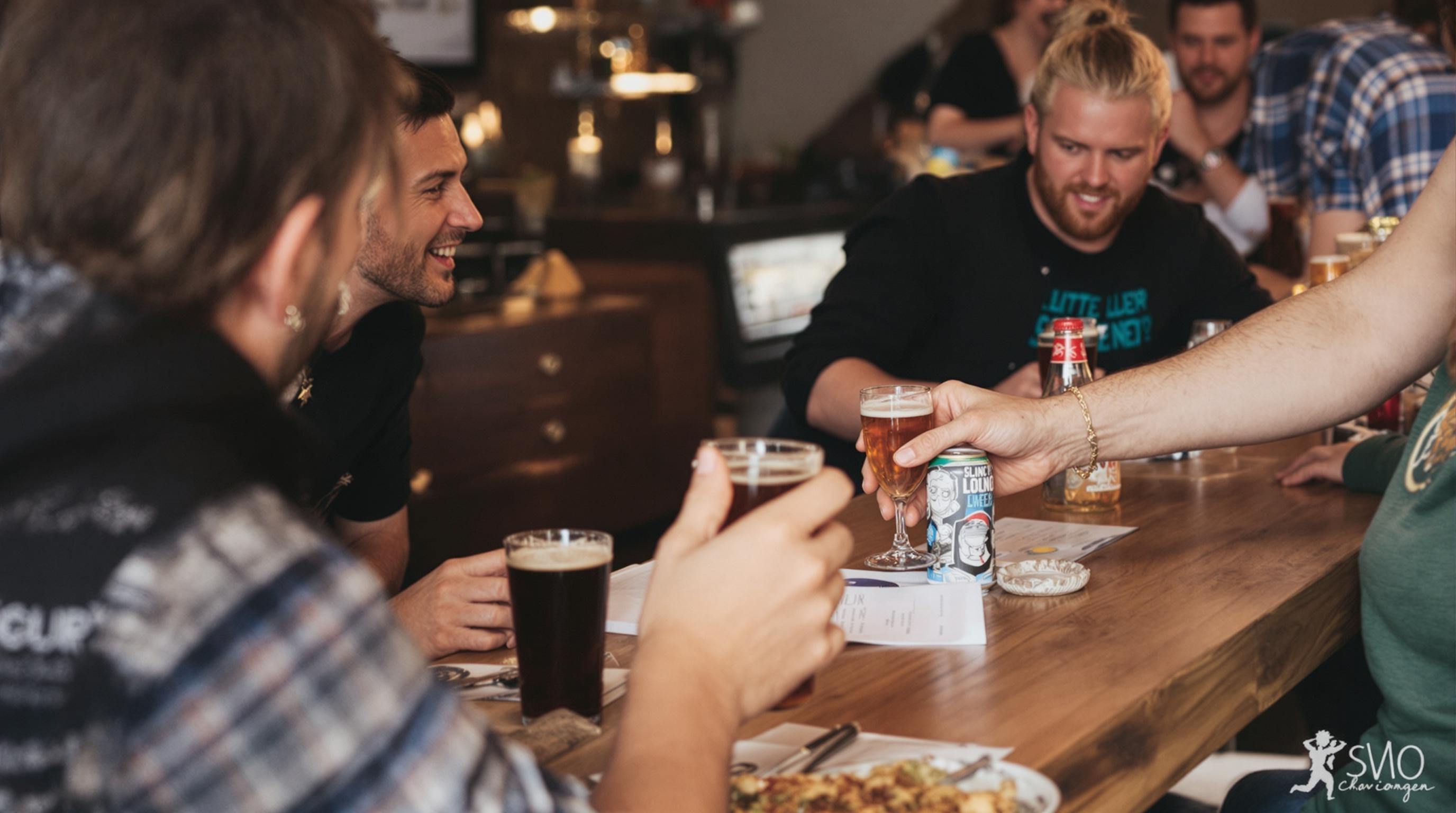
5 Unexpected Networking Avenues: How Craft Beer and Local Duos Can Boost Your Career Connections and Expand Opportunities
5 Unexpected Networking Avenues: How Craft Beer and Local Duos Can Boost Your Career Connections and Expand Opportunities
5 Unexpected Networking Avenues: How Craft Beer and Local Duos Can Boost Your Career Connections and Expand Opportunities
1. The Rise of Craft Beer Culture
In recent years, the craft beer industry has experienced exponential growth, transforming the way communities engage with local businesses. As more microbreweries pop up in neighborhoods across the globe, these hubs of creativity have become favorite gathering spots that encourage informal networking. People from varied backgrounds congregate, providing fertile ground for professional connections.
Craft breweries can often serve as a microcosm of the local community. They attract a diverse crowd, from entrepreneurs and artists to educators and tech innovators. This melting pot environment fosters serendipitous encounters, which are crucial for making meaningful connections. Sharing stories over a pint can lead to unexpected collaborations that transcend the boundaries of traditional networking settings.
Moreover, the social aspect of consuming craft beer encourages conversations that might not happen in more structured networking environments. Casual settings where people feel comfortable often enable individuals to express their passions and expertise, leading to opportunities that can significantly benefit their careers.
2. Local Duo Partnerships
Many craft breweries collaborate with local duos, such as chefs and food artisans, to curate exclusive events. These partnerships create unique experiences that can draw in larger crowds while promoting the businesses involved. By partnering, breweries and local artisans not only increase visibility but also foster an environment conducive to networking.
Attending these collaborative events allows individuals to meet like-minded professionals in an informal setting. Participants often share similar interests, making for easier conversations that may lead to job opportunities or mentorship relationships. The synergy created by local duos showcases not just products, but the essence of community building.
As these partnerships evolve, they can lead to variations in networking methods, including workshops, beer-tasting events, and pop-up markets. Engaging in such activities can provide attendees with fresh insights into their industry while simultaneously expanding their professional network.
3. Craft Beer Events as Networking Platforms
Craft breweries frequently host events, such as tastings, festivals, and brew tours, that attract a wide range of attendees. These gatherings serve as popular networking platforms that empower individuals to meet others in their fields, share experiences, and forge connections. The relaxed atmosphere encourages open conversations that often turn into collaborations.
Industry-specific events, like beer competitions or craft beer festivals, can be especially beneficial for those looking to break into the industry or expand their professional networks. Attendees often seek knowledge, partnerships, and even job opportunities while supportively engaging with others who share similar interests in craft beer.
Networking in these settings can be less intimidating than in traditional business environments, allowing professionals to showcase their personality alongside their professional aspirations. This approach can lead to lasting connections based on shared interests and genuine conversations.
4. Social Media and Craft Beer Communities
In the digital age, the rise of social media has transformed marketing strategies, and craft breweries are leveraging platforms like Instagram, Facebook, and Twitter to build thriving online communities. By engaging with customers and fellow businesses, breweries can create networking opportunities that extend beyond in-person connections.
Social media allows individuals to connect with others in their industries, follow innovations, and partake in discussions. Those involved in the craft beer scene can form relationships with influencers, fellow brewers, and enthusiasts, broadening their professional scope. Online interactions pave the way for offline events and collaborations, enriching networking potential.
Additionally, social media platforms facilitate the sharing of relevant content, such as articles, podcasts, and webinars that cater to industry professionals. Engaging with these resources can lead to improved knowledge and connection-building, ultimately resulting in career growth.
5. Volunteer Opportunities in the Craft Beer Sector
Volunteering at local breweries or beer festivals can present invaluable networking opportunities while helping to strengthen community ties. Volunteers often work alongside experienced professionals, allowing them to learn about the industry while forging relationships with skilled individuals. The experience gained through volunteering can be a powerful addition to a resume.
By assisting in preparation and execution, volunteers can engage with patrons, vendors, and staff, making connections that may not be possible in traditional settings. Increased visibility and hands-on experience can provide individuals with insights into various career paths within the craft beer industry.
Furthermore, volunteering showcases commitment and passion, traits that potential employers or collaborators value. The relationships forged through these roles can lead to future job opportunities or mentorship, further enhancing professional networks.
6. The Power of Storytelling in Networking
Craft beer has a rich history and a strong sense of place, with many breweries sharing their unique stories through branding, marketing, and product offerings. Storytelling is a pivotal tool in networking, as it creates connections through shared narratives and experiences. When brewery owners and customers share their stories, it fosters a deeper bond.
For individuals looking to network, sharing personal experiences related to craft beer can lead to engaging conversations. This approach can break the ice and help others see the individual behind the resume. Listeners are often inspired by authentic stories, encouraging them to share their own, thus creating a two-way connection that fosters collaboration.
Networking through storytelling not only reinforces existing relationships but also builds new ones grounded in trust and understanding. As professionals connect over shared tales, they often find common ground that can serve as a foundation for future projects.
7. Craft Beer Education and Workshops
Culinary disasters can be averted by participating in craft beer education programs, which have become increasingly popular in breweries worldwide. These workshops often focus on brewing techniques, beer tasting, and pairings, attracting individuals passionate about the craft. Participants not only learn valuable skills but also build connections with fellow beer enthusiasts and industry professionals.
The collaborative nature of these educational settings can lead to unexpected partnerships and career opportunities. Attendees often engage in discussions about their aspirations, leading to connections with mentors and guides who can help navigate their career paths.
Furthermore, industry experts regularly conduct these workshops, providing participants with access to a wealth of knowledge and experience. By networking with professionals in a learning environment, individuals can gain insights that may propel their careers forward.
8. Beer Trails and Themed Events
Beer trails and themed events have gained traction as unique networking opportunities. These organized experiences invite participants to explore multiple breweries and learn about various beers while interacting with fellow attendees. The laid-back atmosphere creates a conducive environment for making new connections.
Networking in such settings allows professionals to engage in informal discussions while enjoying shared experiences. People are often more relaxed and open to conversation, fostering genuine connections. The focus on exploration reinforces the buddy system, enabling individuals to support one another in their career pursuits.
Moreover, visiting various breweries during these events can provide attendees further insight into local brewery dynamics, market trends, and innovative practices. As participants share their expertise, knowledge gaps are filled, and connections deepen.
9. The Impact of Local Beer Collaboratives
Local beer collaboratives create a network of breweries that support one another within the community. These organizations often work together on initiatives that promote the craft beer scene, offering a framework for individuals to connect and network with established breweries. Involvement in such groups can introduce aspiring professionals to influential figures in the industry.
Collaboration between breweries results in limited-edition brews and events, further boosting exposure and community engagement. By participating in these activities, professionals can network effectively and build meaningful relationships with both peers and industry players.
The synergy created within local beer collaboratives fosters a sense of camaraderie among participants, making it easier for individuals to approach others and share their own career aspirations. Connections made through such platforms can set the stage for fruitful partnerships.
10. Embracing Community Engagement
At the heart of the craft beer movement is a commitment to community engagement. Breweries invest in charitable events, sponsorships, and local arts, connecting with their neighborhoods. Engaging in these events provides an opportunity for professionals and enthusiasts to network while contributing to meaningful causes.
Participating in community-focused initiatives allows individuals to connect over shared values and objectives, creating an avenue for professional relationships. Networking derived from a commitment to community building can be incredibly powerful, as conversations often evolve into collaborative efforts.
By supporting the local craft beer scene, professionals can establish a reputation for being community-minded and supportive. This authenticity is attractive to potential collaborators and employers, and it enhances the quality of networks built through genuine, shared commitments.
Read More