
Related Articles
- Navigating the Talent Labyrinth: How Emotional Intelligence Is Shaping New Hiring Practices in Unseen Markets
- Behind the Scenes: How Automating HR Processes Is Redefining the Future of Recruitment and Job-Seeking Strategies
- Beneath the Surface: Unveiling the Surprising Role of Environmental Sustainability in Shaping Future Careers
- Exploring the Quirky Side of Remote Work: How Hobbies Are Fueling Professional Success in Unexpected Ways
- How the Remote Revolution is Inspiring Unlikely Friendships Across Continents: A Study of Global Connectedness
- The Unforeseen Bond: How Virtual Coworking Spaces Foster Unexpected Connections Amidst Remote Work
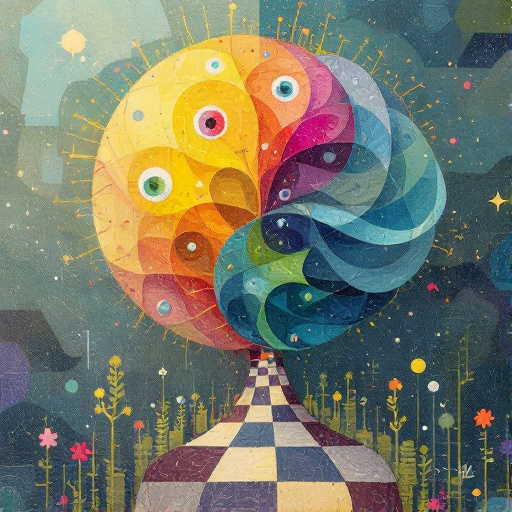
Unlocking the Power of Creativity: How Art Therapy Can Enhance Job Interview Readiness
Unlocking the Power of Creativity: How Art Therapy Can Enhance Job Interview Readiness
Art therapy can be a transformative tool for enhancing job interview readiness by unlocking creativity and reducing anxiety. This article explores the intersection of art therapy and career preparation, offering evidence, strategies, and a few stories to illuminate its myriad benefits.
The Case for Creativity in Job Interviews
Have you ever gone to a job interview feeling like a deer in headlights? If so, you’re not alone. A whopping 92% of people experience anxiety before an interview (CareerBuilder, 2019). This nerve-wracking experience often stems from fear of judgment, uncertainty about the future, and overwhelming self-doubt. Imagine stepping into that room with a sense of calm, confidence, and the ability to creatively express yourself. This is where art therapy comes into play.
What is Art Therapy?
Art therapy is a therapeutic technique that involves using creative processes to help individuals achieve personal insight, healing, and growth. Through various forms of art—painting, sculpting, music, and more—participants can explore their emotions and communicate in ways words sometimes fail. It’s particularly effective for individuals struggling with stress, anxiety, and depression. But let’s pivot from the clinical to the practical: how can this methodology be applied to job interview readiness?
Stress Reduction: The Secret Weapon
According to a study published in the *American Journal of Public Health*, engaging in art therapy significantly reduces cortisol levels, the hormone associated with stress (Stuckey & Nobel, 2010). Lower stress means a clearer mind, which is essential when preparing for an important conversation like a job interview. Activities like doodling or painting can help ground an individual, shifting focus from worry to creativity. After a session of painting, one might feel less burdened by the weight of expectations and simply focus on being themselves in the interview.
Building Confidence Through Creative Expression
Art therapy encourages self-expression, allowing individuals to communicate their unique experiences and qualifications in a visual language. This is a powerful tool when preparing to articulate your worth in an interview. For example, creating a vision board using magazine cutouts and art supplies could help visualize your career goals. One woman, Sarah, discovered her passion for design through such activity and, ultimately, landed a role in marketing that utilized her creative abilities. For Sarah, creating her vision board was a catalyst for expressing the dreams and strengths she had long kept hidden.
Engaging the Senses and Mind
Incorporating art therapy into your job interview preparation means engaging not just your mind, but your senses. This multisensory approach can facilitate memory retention and emotional connection. Think of it this way: how often can you recall a vivid painting or song? The emotional weight it holds can deepen your understanding of yourself and the stories you want to convey during an interview. According to experts, sensory experiences are linked to enhanced memory, which is vital when recalling key points about your skills and experiences.
Skills Development: Beyond the Canvas
Art therapy fosters a variety of skills that extend well beyond creativity. While participating in sessions, you may notice improved problem-solving abilities, adaptability, and communication skills emerging. In one case study, an individual struggled with articulating his thoughts during interviews but found that creating short comic strips helped him clarify his narratives. By storytelling through comics, he practiced structuring his responses, ultimately leading to successful interviews and a job offer in his dream field.
Using Art Therapy Techniques at Home
Ready to dive in? Here are a few techniques you can utilize at home to kickstart your art therapy journey:
1. Journaling with Flair
Create a journal that combines writing with artistic elements. Use drawings, colors, and mixed media to express your thoughts about upcoming interviews. Perhaps doodle pictures that honor your strengths and achievements. This form of self-reflection can boost confidence and clarify your career aspirations.
2. Role-Playing with Props
Prepare for interviews in a playful way by using props from around the house. Use everyday objects as “interview tools” and practice answering common questions while holding them. This approach can add a fun twist to your preparation, easing anxiety and improving your performance.
3. Mind Mapping Your Strengths
Grab some colorful markers and a large piece of paper. Create a mind map of your skills, experiences, and how they relate to the job you’re applying for. Drawing connections visually can sometimes clarify the value you bring to potential employers.
Statistics: The Numbers Don’t Lie
A study by the National Endowment for the Arts revealed that individuals engaging in art-making demonstrate increased happiness and decreased stress levels. In a world where 74% of hiring managers admit to being influenced by a candidate’s overall attitude and personality during interviews, it makes sense to adopt a method that fosters a positive headspace (CareerBuilder, 2019).
Real-Life Success Stories
Consider the story of James, who was facing numerous rejections in his job search. Feeling stuck, he attended an art therapy group where he explored using photography to express his unique perspective. With newfound confidence and creativity, he shaped his portfolio into a visual narrative that captivated employers, resulting in multiple job offers. James’s experience exemplifies the transformative power of creativity in both personal and professional settings.
Overcoming Barriers: The Creative Mindset
To embrace art therapy means overcoming the mental barriers that limit creativity. Many individuals perceive themselves as “not artistic” as a reason to shy away from creative exploration. Let’s tackle this myth directly: art is not about producing perfect outputs; it’s about expression and exploration. The therapeutic value lies in the process, not the final product. By allowing yourself to experiment without fear of judgment, you foster an open mindset that is incredibly beneficial in job interviews.
Breaking the Norm with Humor
Incorporate a light-hearted approach to your prep. Humor can be very effective when easing interview nerves. Why not create a comic strip about the most absurd interview questions you might face? Characters within your comic can exaggerate them to the point of hilarity, reminding you that it’s all somewhat ridiculous—thus reducing your anxiety and making you feel more in control.
Creating a Ritual
Establishing an artistic ritual before interviews can signal your brain to switch gears into a confident and creative mode. Whether it’s sketching for 10 minutes or listening to your favorite music while painting, find a routine that works for you. According to Patricia Cohen, a psychotherapist specializing in art therapy, rituals instill a sense of predictability and comfort, allowing you to enter your interviews with a clear mind (Cohen, 2022).
The Takeaway: Make Space for Art and Creativity
Every day, we navigate a world that often values traditional approach to career building over a more creative ethos. But by recognizing the value of art therapy not just as a healing tool, but as a conduit for building interview readiness, you open the doors to a future brimming with possibilities. Your creativity isn’t just a hidden skill; it’s a superpower ready to be harnessed.
Conclusion: Your Journey Begins Now!
Whether you’re a high school student eyeing your first part-time job or a retiree looking to start a second career, integrating art therapy techniques into your job interview preparation can be revolutionary. So grab those paints, pull out your favorite markers, and start to express your authentic self. With creativity by your side, the job market will become your canvas—one where you truly shine.
Ultimately, remember that every artist started as a beginner. Just like art, interview preparation is a journey. So why not create a masterpiece out of it?
Read More