Related Articles
- Navigating the Talent Labyrinth: How Emotional Intelligence Is Shaping New Hiring Practices in Unseen Markets
- Behind the Scenes: How Automating HR Processes Is Redefining the Future of Recruitment and Job-Seeking Strategies
- Beneath the Surface: Unveiling the Surprising Role of Environmental Sustainability in Shaping Future Careers
- Exploring the Quirky Side of Remote Work: How Hobbies Are Fueling Professional Success in Unexpected Ways
- How the Remote Revolution is Inspiring Unlikely Friendships Across Continents: A Study of Global Connectedness
- The Unforeseen Bond: How Virtual Coworking Spaces Foster Unexpected Connections Amidst Remote Work
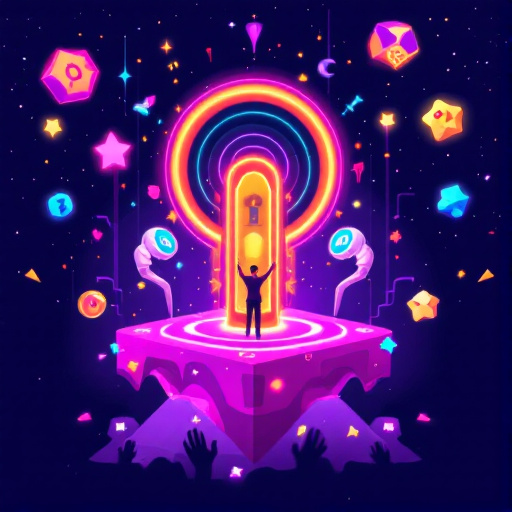
Unlocking the Power of Play: How Gamification Can Propel Your Career Forward
Unlocking the Power of Play: How Gamification Can Propel Your Career Forward
Gamification can turn your career into an engaging adventure; by integrating game design elements into your professional life, you can motivate yourself and climb the corporate ladder. This article explores the various facets of gamification, how it enhances productivity, the science behind it, and real-world examples of successful implementation, all while keeping the tone varied and engaging.
The Science of Play
First, let’s dive into why play matters. According to a study published in a 2021 edition of the Journal of Economic Psychology, individuals who engage in playful activities show increased creativity and productivity. This correlation between play and productivity stems from how our brains react when involved in game-like scenarios; our stress levels drop, dopamine is released, and we become more eager to tackle challenges. Consider this: a workplace that encourages play can lead to an overall 20% increase in productivity.
Case Studies: Companies Getting It Right
Let’s take a glance at companies pushing the limits of gamification. Take Deloitte, for example. They implemented a game-based learning platform known as “Greenhouse,” which has resulted in a reported 45% increase in learning engagement among employees. They created competition and collaboration through challenges that allow team members to learn from each other actively. How's that for a productivity booster?
What is Gamification, Anyway?
Simply put, gamification is the integration of game-like elements in non-game contexts to drive engagement and motivation. You’ve probably experienced this in various forms without realizing it: think of earning badges for completing tasks, leaderboards showcasing top performers, or even leveling up in your tech skills.
How Gamification Can Transform Your Career
Incorporating gamification into your career can lead to numerous benefits. Here’s a breakdown you might find relatable:
- Increased Engagement: Gamification keeps you focused and energized. Instead of a mundane checklist, you turn chores into quests.
- Skill Development: By approaching learning through game-like methods, you can absorb knowledge better. For instance, platforms like Codecademy employ gamified courses that break complex coding skills into digestible, fun segments.
- Networking Opportunities: Engage with colleagues in a fun way. Office trivia nights or leaderboard competitions allow you to bond while boosting your image.
Stories of Success
Consider the story of **Sarah, a 29-year-old marketing executive**. Feeling stuck in her career, she decided to apply gamification techniques to her daily tasks. She created a point system where she could earn points for completing projects ahead of schedule, attending workshops, and networking at events. Within six months, Sarah not only achieved her performance goals, but she also landed a promotion! By turning her routine into a game, Sarah made work exciting and fruitful.
Gamify Your Learning Curve
Take your learning approach as another example. Practical applications of gamification can include using apps like Duolingo for language skills, where daily streaks and volume of vocabulary learned keep you motivated. Did you know that users who engage with Duolingo are 34% more likely to become fluent than traditional learners? Together with play, education becomes an adventure rather than a task.
The Words of Wisdom from Experts
Yale's Dr. David Krackhardt, renowned for his work on social networks, once said, “Social interaction in a gamified workplace not only encourages teamwork but fosters innovation.” Applying the principles of game mechanics allows your team to work together more closely, which often results in more innovative solutions to difficult problems. (Krackhardt, 2023)
Is Gamification for Everyone?
If you still think gamification is just for the young guns of the tech world, think again! At age 67, retired engineer **John** took up online courses on environmental science through a gamified platform and succeeded in creating a community garden in his neighborhood. He wasn’t just gathering knowledge; he was earning achievements and harnessing his competitive spirit to inspire others. Age need not be a barrier; the pursuit of knowledge and improvement can have you leveling up well into your golden years.
Possible Challenges to Note
While gamification brings numerous benefits, it’s essential to recognize its challenges. Not everyone responds positively to competition; some may feel overwhelmed or discouraged by constant comparisons. In 2013, researchers from the University of Texas discovered that extrinsic rewards could sometimes undermine intrinsic motivation. Therefore, striking a balance is key! Focusing on personal growth rather than just competition can create a healthier approach to gamification.
Ready to Game Up Your Career?
So how can you take the first steps to integrating gamification into your professional life? Here are some tips to get started:
- Set Goals: Start small. Set daily or weekly objectives and reward yourself for completing them.
- Create Challenges: Introduce friendly competition among colleagues—this could be pitching ideas or even achieving sales goals.
- Utilize Apps: Use tools such as Todoist or even fitness apps like MyFitnessPal to track your progress in a gamified way.
- Reflect: Assess what strategies work best for you. Make adjustments if something doesn’t sit right.
The Bottom Line
In an increasingly competitive job market, gamification presents an opportunity to set yourself apart. By integrating game mechanics into your professional practices, you'll not only enhance your motivation and engagement but enable yourself to forge stronger connections and ultimately propel your career forward. Just keep it fun, balanced, and true to you—after all, the best part of playing is not just winning, but enjoying the game.
So, whether you’re a 16-year-old student preparing for your first job, or a 70-year-old retiree looking to pick up new skills, gamification can help transform your journey. So why not consider leveling up today?
Read More