Related Articles
- Navigating the Talent Labyrinth: How Emotional Intelligence Is Shaping New Hiring Practices in Unseen Markets
- Behind the Scenes: How Automating HR Processes Is Redefining the Future of Recruitment and Job-Seeking Strategies
- Beneath the Surface: Unveiling the Surprising Role of Environmental Sustainability in Shaping Future Careers
- Exploring the Quirky Side of Remote Work: How Hobbies Are Fueling Professional Success in Unexpected Ways
- How the Remote Revolution is Inspiring Unlikely Friendships Across Continents: A Study of Global Connectedness
- The Unforeseen Bond: How Virtual Coworking Spaces Foster Unexpected Connections Amidst Remote Work
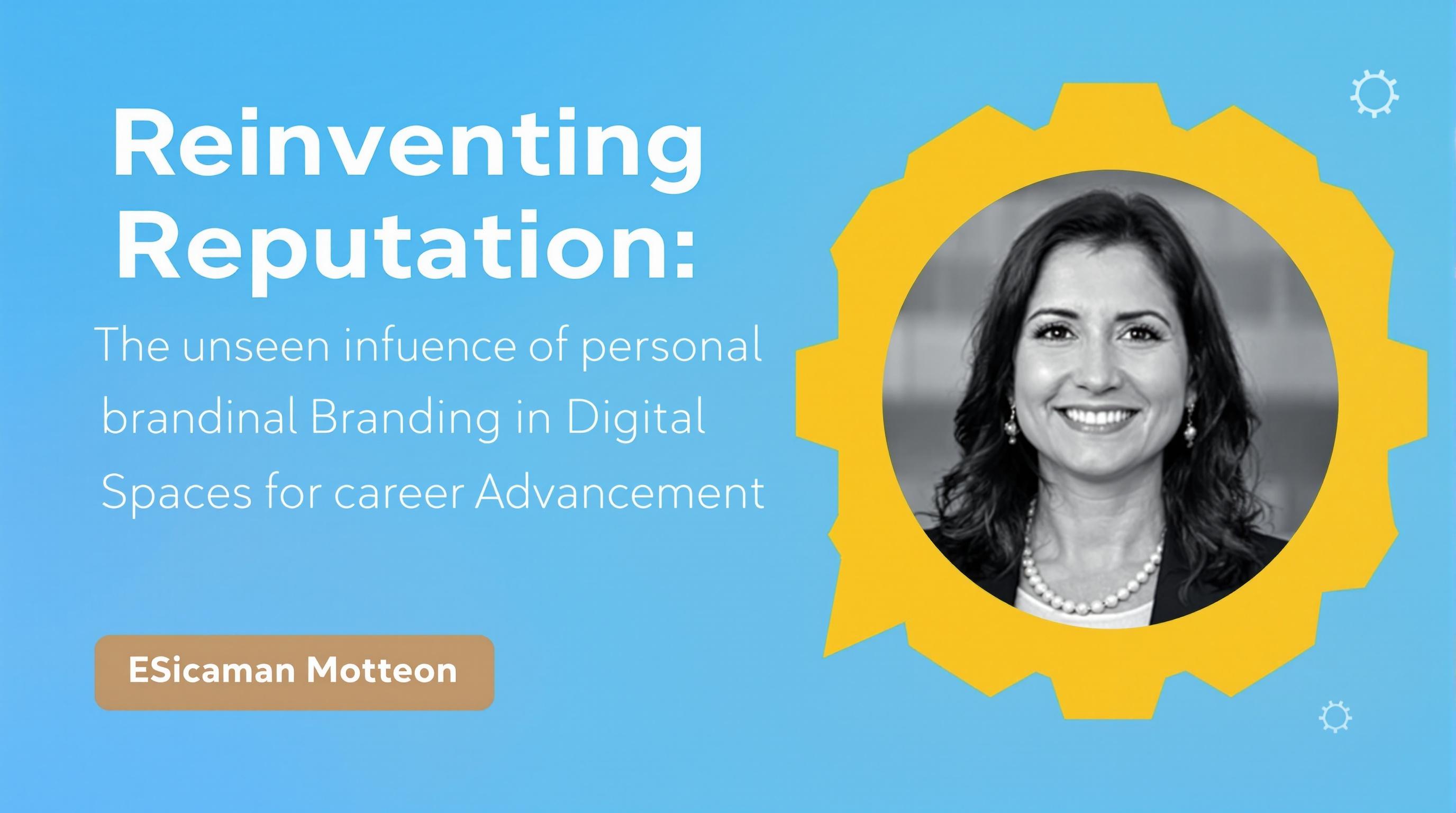
Reinventing Reputation: The Unseen Influence of Personal Branding in Digital Spaces for Career Advancement
Reinventing Reputation: The Unseen Influence of Personal Branding in Digital Spaces for Career Advancement
In the age of the internet, personal branding is more than just a buzzword; it's a strategic tool for career advancement. This article explores the unseen influence of reputation management in digital spaces, demonstrating how understanding and curating your online persona can dramatically impact your professional journey.
The Digital Landscape: A New Era for Reputation
Welcome to the digital age—an era where the first impression is often made long before a handshake ever occurs. You might remember a time when having a good résumé and a few references was enough to land a job. Today? That’s just the tip of the iceberg.
Why Personal Branding Matters
Here’s a statistic that might surprise you: according to a survey conducted by Jobvite, 87% of recruiters use social media to vet candidates. And that’s not just a one-off. Figures from CareerBuilder indicate that about 70% of employers use social media to screen potential employees. With your digital footprint viewed as a reflection of your professional self, effectively managing your personal brand is not merely optional; it’s essential.
Tracing the Roots of Your Digital Persona
So, what exactly is personal branding? It encompasses everything from your social media posts and online publications to your LinkedIn profile and blogs. It’s not just you; it’s how you portray yourself digitally. Imagine your career as a plant growing in a pot. Your personal brand is the soil—it determines how well that plant can thrive.
Capitalize on Social Media
Let's face it: social media is not going anywhere. As of 2023, over 4.9 billion people globally use social media (Statista). This impressive number serves as a double-edged sword; while it presents a vast platform for showcasing your strengths, it also exposes you to scrutiny. Don’t stress—you can use this to your advantage!
Take, for example, the story of Maya, a 28-year-old marketing manager who leveraged platforms like Instagram and LinkedIn to showcase her expertise. By sharing engaging content and insights about the marketing world, she built a following that attracted attention from industry leaders. This strategic use of personal branding led to a promotion and a salary increase of 25% in just one year. If Maya could turn her social presence into a career advancement tool, why can’t you?
The Importance of Authenticity
In a digital world where everyone is trying to stand out, the key is authenticity. Users can sniff inauthenticity from a mile away. A 2023 study by Sprout Social indicated that 90% of consumers are more likely to trust a brand that is genuine. This also applies to personal branding—being yourself and sharing your story will resonate more than trying to overly curate a perfect image.
The Power of Networking
Before the days of Facebook and Twitter, networking was something you did at events; now, it can happen from the comfort of your couch. Engaging with fellow professionals online allows you to create meaningful connections missing in face-to-face meetings. For instance, platforms like LinkedIn enable users to not just connect but engage with their network through content sharing, endorsements, and recommendations.
Consider the case of James, a 45-year-old IT specialist who, after spending years working as a contractor, decided to build his brand on LinkedIn. By sharing his knowledge on cybersecurity through articles and engaging with industry leaders, he not only expanded his network but also caught the eye of potential employers. Long story short? He received multiple job offers within a few months!
Visual Storytelling: Let Your Brand Shine
You’ve heard the saying, "A picture is worth a thousand words." In personal branding, this couldn’t be more accurate. Visuals can capture attention and emotions quicker than text. The human brain processes images 60,000 times faster than words (Dr. Lynell Burmark). So, leverage this by incorporating visuals in your personal branding strategy.
Create an engaging website that acts as a portfolio of your work, and use graphics in your social media posts to tell a story visually. Think about how artists like Banksy use murals to convey complex messages—why not apply the same principle to your personal narrative?
A Case Study: The Conversationalist
Let’s look at Sarah, a freelance writer who began her career in her late 20s. She started by blogging about everyday challenges in her life. Gradually, her storytelling gained traction, attracting a loyal following. Today, she utilizes her blog as a springboard for freelance opportunities, illustrating how conversational engagement can bring visibility and career advancement.
Professional Development: Enhance Skills, Enhance Reputation
As the digital landscape continues to evolve, so too should your skills. Investing in your professional development can significantly bolster your personal brand. Use platforms like Coursera, Skillshare, or Udemy to enhance your knowledge or learn new skills. According to LinkedIn's Workforce Learning Report, 94% of employees said they would stay at a company longer if it invested in their career development.
When you pursue certifications or additional training, publicly sharing these achievements on your social media further reinforces your commitment to growth. This not only showcases your dedication but also aligns your personal brand with a growth mindset, making you more appealing to prospective employers.
Curating Content: Be the Authority
Becoming an authority in your field is a gradual process. It requires both knowledge and persistence. Start curating valuable content in your area of expertise by sharing articles, stats, or tips that resonate with your audience. A study from the Content Marketing Institute suggested that 70% of consumers prefer getting to know a company via articles rather than ads.
For those of you who may feel overwhelmed, consider using content curation tools like Feedly or Pocket to keep track of articles or trends relevant to your field. This way, you'll always have fresh ideas to share and position yourself as an informed professional.
Feedback: The Path to Growth
Constructive feedback can be a game changer for your personal brand. Once you’ve established your online presence, ask for feedback from your followers or mentors. Utilize the 360-degree feedback approach, where you gather insights from different viewpoints, ensuring a comprehensive understanding of how others perceive your personal brand.
Let’s not forget reflection is key. Understanding what resonates with your audience can provide insights into how to craft your messages further, enabling you to establish a more compelling personal brand narrative.
The Flip Side: Online Reputation Management
As lavish and shiny as the online world can seem, remember that it holds an equal potential for tarnishing your reputation. One mistake, one ill-thought-out post, and BAM! You could find yourself deluged under a sea of negative comments.
But fear not! You can manage this adversity. Google's search results are ever-dynamic, and staying alert to how your name appears in searches is vital. Set up Google Alerts for your name, and investigate ways to push down negative search results. A well-crafted strategy involving positive content can combat adverse reviews effectively!
Conclusion: Your Brand, Your Future
To wrap it up: personal branding is much more than just maintaining a curated social media presence; it’s developing a reputation rooted in authenticity and expertise. It affects every aspect of your professional life, from networking to job opportunities. In a world where personal branding can open doors, take the steps today to cultivate a memorable and authentic online persona.
If you remember one thing from this exploration, let it be this: your reputation is your currency. Invest wisely, and watch how it pays dividends in your career advancement.
Final Words of Encouragement
So whether you are a fresh-faced teen just starting out or a seasoned pro navigating the digital landscape, remember that each interaction contributes to your personal brand. Embrace the opportunities of the digital world, and don’t shy away from showcasing what makes you uniquely you. After all, your personal brand is a reflection of your journey, aspirations, and experience—own it!
Read More